
Spring · Summer · Fall
Flower Bed Installation in Fond du Lac, WI
Seasonal color and well-kept beds that make a strong first impression.
Quick answer
When should commercial flower beds be planted in Fond du Lac, WI?
Wisconsin Extension says most annual flowers prefer warmer conditions later in May, while hardy annuals such as pansies tolerate cooler weather. Assess each bed's light, soil, drainage and water access, then confirm plant choice, installation timing and ongoing care in your plan.
What’s included
Flower Bed Installation
Seasonal color and well-kept beds make a strong first impression at your entrances and along your frontage. We install new beds and keep existing ones looking their best.
- Flower bed design and planting
- Perennial and annual installation
- Ongoing bed maintenance and weeding
- Seasonal refresh and replacements
- Coordination with mulch and edging
Exact scope, timing and pricing are confirmed with you in your plan.
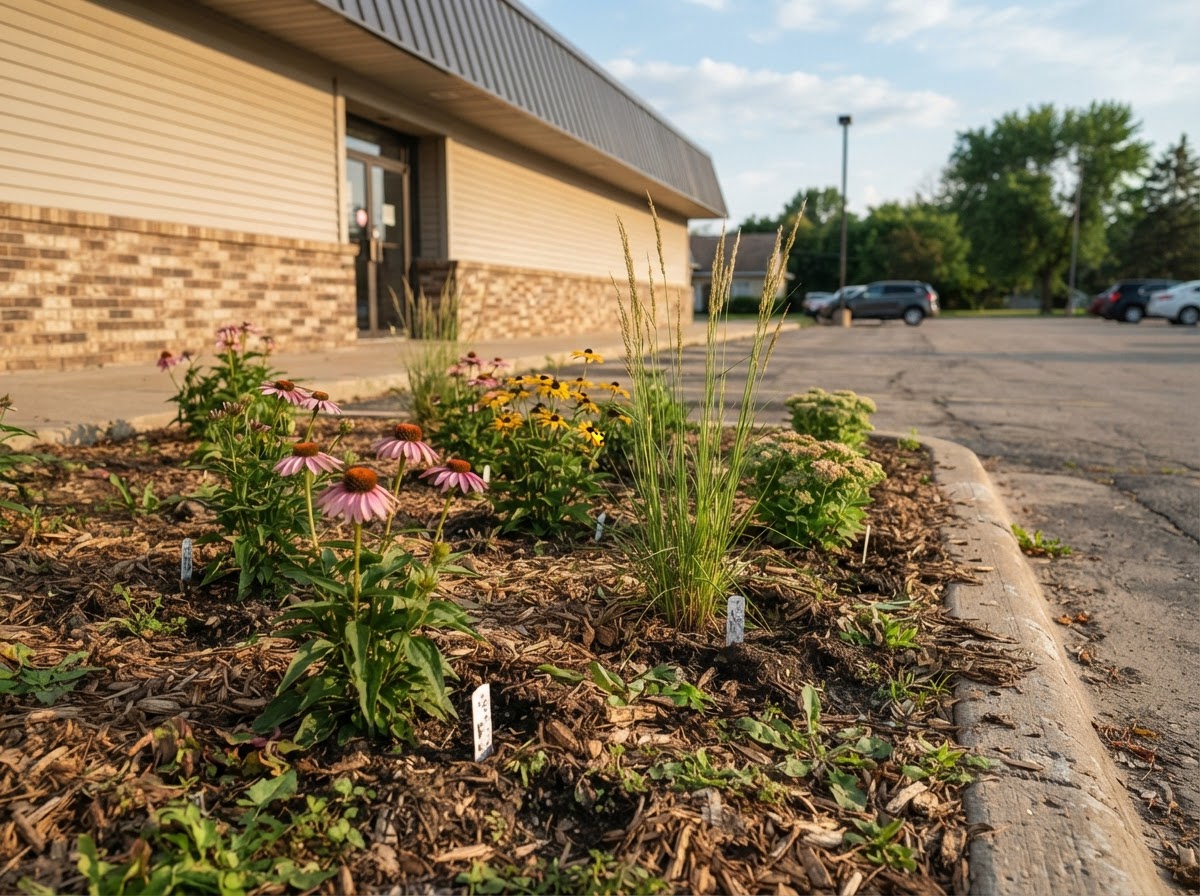
A commercial flower bed works best when its planting, location and care match how people use the property. It can frame an entrance, add seasonal color to a shared space or soften a building edge—but only if soil, light, water and maintenance expectations are considered together. Loof's Landscaping and Snow Removal LLC helps property teams turn those needs into a defined bed plan, with scope, timing and pricing confirmed in the plan.
Later in May
Wisconsin Extension guidance for most tender annual flowers
Around May 1 / October 10
Regional median last-spring / first-fall frost estimates for the Fond du Lac area
25 years
Snow-industry experience in operations leadership
Write the planting brief before choosing flowers
Start with the job each bed needs to do. An entry planting may direct attention toward a door without obscuring signs or sight lines. A retail frontage can add color while keeping the edge beside customer routes clear. Shared beds in an office, apartment community, HOA or condo can create a consistent look in common spaces. Healthcare, school and industrial settings may need planting that respects access, circulation and daily operations. These are planning contexts rather than standard designs.
For every proposed bed, record who uses the area, what should be visible, which plants are already established and where runoff travels. Wisconsin Extension landscape guidance recommends noting low spots and runoff direction and ensuring water moves away from buildings. This makes drainage part of the initial conversation, not a problem left to discover after installation. Identify beds by location so owners and boards can see exactly where work is proposed.
Assess soil, light and water before settling the plant list
Wisconsin Extension recommends removing existing vegetation and incorporating compost when preparing planting soil. A soil test can help determine pH and nutrient needs; Extension also recommends testing when starting a new garden or evaluating a landscape. Ask whether the proposal depends on assumptions about soil or whether a test would be useful before plant selection. That helps distinguish a planting decision from a soil condition that may need separate attention.
Review sun and shade across the day, drainage, irrigation coverage and how people approach or pass the bed. The same flower choice may not suit a sunny paved edge and a shaded building side. Confirm whether existing vegetation removal, soil preparation, compost, plants, mulch and cleanup are included. The service description alone does not determine which of those tasks are part of the approved project.
Use seasonal timing as a planning window
Wisconsin Extension advises that most annual flowers prefer warm weather later in May; hardy annuals such as pansies can tolerate chilly conditions. A regional source estimates the median last 32°F spring frost for the Fond du Lac area around May 1 and the median first fall frost around October 10. These are about-estimates rather than guarantees for any address or season. Property managers should consider actual weather, the bed's exposure and the selected plants before confirming an installation date.
For organic mulch around annual flowers, Wisconsin Extension advises waiting until soil has warmed, generally around mid- to late June in its Wisconsin guidance; soil and site conditions can vary. This timing point can shape coordination between installation and bed finishing. The sources reviewed do not establish one specific perennial planting season or a maintenance interval for perennial beds, so ask about the selected plants rather than relying on a generalized calendar rule.
Treat frost estimates as context, not a promise
The local dates are probability-based estimates, and conditions differ from one property to another. Use them to frame scheduling questions, then confirm the selected plants and timing against the actual site and current conditions.
Choose a planting pattern that stays useful beyond opening day
A planting plan should consider what the bed will look like across its intended use, not only on installation day. Wisconsin Extension recommends a variety of trees, shrubs, perennials and annuals with overlapping, sequential bloom through the growing season for pollinator-supportive planting. It also advises against double flowers and sterile cultivars and recommends planting in large patches. These are design considerations from Extension, not a promise of a particular pollinator result or a required design for every commercial bed.
Ask how the proposed mix relates to the property's visibility, ongoing care and desired color. A board might emphasize a common entrance, while a facilities manager might want a restrained planting along a frequently used walk. Confirm how the design connects to existing shrubs, trees and turf and whether the property team expects future replacement or seasonal changes. No specific plant list or city hardiness-zone number is asserted here; selection should be checked for the precise site and local conditions.
Account for salt, wildlife and regulated plant choices
Beds beside parking, walks and plowed snow-storage areas may be exposed to deicing salt. Wisconsin Extension documents injury risks to landscape plants and soil and recommends salt-tolerant plant selection as a preventive consideration. The property's exposure should inform placement and plant discussion, but no plant choice is claimed to eliminate salt injury. For an existing problem, Extension notes that soil salt tests or foliar analysis can help with diagnosis; it advises collecting soil samples in early spring before rain leaches salts.
Wisconsin DNR describes NR 40 restrictions on possession, transport, transfer or introduction of certain invasive species without a permit. Screen proposed plant selections against current prohibited and restricted lists and confirm current requirements before approval; this is not legal advice. The sources reviewed did not provide a readable current species list, so this page does not name regulated plants. Deer and rabbits can also damage landscape plantings; Extension describes physical barriers as options and notes repellents reduce, but do not eliminate, damage.
Make maintenance responsibilities explicit
A new bed needs an agreed handoff. Identify who handles watering, how the property team reports a stressed or damaged plant, and which later tasks are included. Check whether irrigation reaches the bed and whether planned system work could disturb new planting. A flower-bed installation does not automatically include recurring weeding, replacement, deadheading or a set number of visits; those should be written into the plan if wanted.
Property types call for different coordination. Retail managers may prioritize beds along customer paths; healthcare and school teams may identify access and visibility needs; apartment managers and associations may need board agreement about shared planting responsibility. Offices and industrial facilities can clarify operating areas to keep open. A site map and named decision-maker help ensure requests from occupants do not conflict with the approved scope. Keep that reference simple: mark bed edges, identify plants the team wants retained, note maintenance boundaries and record who can authorize changes. If several people share decisions, route requests through one agreed contact so new preferences can be discussed before they alter the approved design or work.
Prepare for the site review and approval
Before discussing a proposal, collect a bed map, note existing plants to retain, describe light and water observations, and identify salt or wildlife exposure. Include photographs or a walk-through if a particular bed has recurring problems. Ask the provider to specify plant-selection assumptions, preparation, included beds, material and cleanup, water-care responsibilities and exclusions. Confirm how a recommended change will be presented for approval rather than treated as automatically authorized.
For planting or other work involving excavation, Wisconsin Diggers Hotline guidance says non-emergency excavators must give at least three working days' notice before digging; weekends and state legal holidays do not count. The guidance directs callers to contact 811. Property managers should confirm current requirements and ensure the responsible party makes any necessary notice before excavation. Loof's is licensed, bonded and insured in Wisconsin and a member of the Irrigation Association. The plan confirms scope, timing and pricing.
Benefits of professional flower bed installation and care
Professional flower bed installation and care add seasonal color and a welcoming, finished look to commercial entrances and shared spaces. Well-chosen plants, properly prepared soil and consistent maintenance keep beds looking intentional rather than neglected — shaping the first impression customers, tenants and visitors form before they reach the door. For commercial properties, that curb appeal directly affects how the business is perceived.
Beyond appearance, professional service brings consistency and accountability. A defined plan means the right plants are selected for the site's light, soil and drainage, installed at the right time, and maintained with clear responsibility for watering, weeding and replacement. Beds are protected from salt exposure, wildlife damage and regulated plant choices through deliberate planning rather than left to chance. For property managers, the benefit is beds that enhance the property without the daily burden of coordinating their care.
- Enhanced curb appeal — seasonal color and a finished look at entrances and shared spaces.
- Site-appropriate plant selection — plants chosen for light, soil, drainage and exposure rather than appearance alone.
- Clear maintenance responsibility — watering, weeding and replacement defined in the plan.
- Protected plantings — salt exposure, wildlife damage and regulated species addressed through planning.
- Consistent appearance — beds maintained on a schedule that fits the property's use and standards.
Commercial properties we serve with flower bed care
Different commercial properties in the Fond du Lac area have different bed priorities. Loof's serves commercial, industrial and apartment properties — we do not service single-family homes or residential driveways. Each property type has its own visibility needs, access patterns and maintenance boundaries.
- Office buildings — where entrance beds frame the approach and set a professional tone for tenants and visitors.
- Retail centers and shopping plazas — where frontage color and customer-approach beds directly affect curb appeal.
- Apartment and multi-family complexes — where shared beds serve residents and need board-level agreement on scope.
- Industrial and commercial facilities — where beds must look maintained without disrupting operations.
- Healthcare and school properties — where planting must respect access, circulation and daily operations.
- HOA and condo associations — where common-area beds need clear boundaries between shared and private landscaping.
The Loof's approach to flower bed installation and care
Our approach starts with the job each bed needs to do. We walk the site to map each bed, note existing plants, light, drainage and nearby foot traffic, and identify who approves changes. Wisconsin Extension recommends removing existing vegetation and incorporating compost when preparing planting soil, and a soil test can help determine pH and nutrient needs before plant selection. We assess sun and shade across the day, irrigation coverage and how people approach or pass the bed.
Once the plan is set, we confirm plant selection, installation timing, mulch, cleanup and follow-up care — and state clearly who handles watering and how future concerns are approved. We coordinate the work with irrigation, mulch and edging, and tree and shrub care so the bed fits the rest of the grounds plan. For planting or excavation, we confirm Wisconsin Diggers Hotline requirements and which party is responsible. Communication is consistent: you know what is included, what is excluded and who to contact. No fabricated guarantees — just a qualified assessment, a clear plan and service you can verify.
Why choose Loof's for commercial flower bed care
Property managers in the Fond du Lac area choose Loof's because professional flower bed care should enhance the property without adding coordination burden. One point of contact handles bed installation alongside mulch and edging, irrigation, tree and shrub care, and snow — so the bed plan works as part of one coordinated grounds plan. Priorities, plant selection and maintenance responsibility are set before installation, and documented service records give you accountability to every property you manage.
Our approach is built on site-appropriate plant selection, clear maintenance responsibility and customized plans that fit the actual bed and site. Communication is consistent — you know how to reach us and how concerns are handled. We are licensed, bonded and insured in Wisconsin and a member of the Irrigation Association. No invented awards or fabricated statistics: just experienced crews, clear plans and service you can verify.
Commercial flower bed installation and care for Fond du Lac properties
A commercial flower bed can frame an entrance, soften a building edge or add color to a shared space. Office, retail, healthcare, industrial, school, apartment and HOA properties may have different priorities for visibility, access and maintenance. Map each bed, note existing plants, light, drainage and nearby foot traffic, and identify who approves changes. In North Fond du Lac and Eldorado, property teams can use those details to define a practical scope. See commercial flower bed installation in North Fond du Lac for a local service overview. Confirm whether preparation, plants, mulch, cleanup and follow-up care are included.
Planting timing depends on the selected plants and actual conditions. Wisconsin Extension advises that most annual flowers prefer warmer weather later in May; hardy annuals such as pansies tolerate chilly conditions. Its regional frost estimates are not guarantees for an individual property. Ask how plant selection reflects sun, soil, drainage, water availability and seasonal exposure. Coordinate the work with irrigation planning, mulch and edging choices and tree and shrub care. Teams in Eden can also review planting bed service in Eden against their grounds plan. State who handles watering and how future concerns or changes are approved; scope, timing and pricing are confirmed in your plan.
Ask the provider how the soil and bed will be prepared, which plants and locations are proposed, what material is included and who handles ongoing maintenance. A new installation does not automatically include watering, weeding, replacement or a set number of visits. Consider bed access, salt exposure near winter routes and any existing irrigation coverage before approving the layout. For teams in Brownsville, see commercial flower bed care in Brownsville and business planting beds in Mount Calvary. Link the schedule with seasonal property cleanups so boundaries and retained plants are clear. Confirm approved tasks and responsibilities in writing, without assuming a standard package or universal planting date.
Terms property managers should know
- Annual flower
- A flowering plant commonly grown for seasonal color during one growing season. Planting suitability depends on the variety and site conditions; Wisconsin Extension says most tender annuals prefer warmer weather later in May.
- Hardy annual
- An annual flower that tolerates cooler conditions better than tender annual varieties. Wisconsin Extension gives pansies as an example; confirm that the selected plant fits the bed and current weather.
- Soil test
- An analysis that can help assess soil nutrient levels, pH and organic matter. Wisconsin Extension recommends testing when starting a new garden or evaluating a landscape, helping inform preparation and plant decisions.
- Bed preparation
- Work done to ready a planting area before installation, which may include removing existing vegetation and incorporating compost. Confirm exactly which preparation tasks are included for the specific bed before planting begins.
- Sequential bloom
- A planting approach in which different plants flower at overlapping times across a growing season. Wisconsin Extension describes this as one consideration for pollinator-supportive planting; it does not guarantee a particular wildlife outcome.
Frequently asked questions
Questions about this service
Sources: May gardening agenda: Heating up; Fond du Lac frost dates; Beginning vegetable garden basics: Site selection and soil preparation; Soil testing; Annual flowers: Culture and maintenance; What's all the buzz? Woody plants for bees, butterflies and other bee-t-full pollinators; Winter salt injury and salt-tolerant landscape plants; Minimizing winter damage from wildlife; Invasive species classification; Homeowners guide; Landscape design and installation
Where we provide it
Flower Bed Installation across the Fond du Lac area
We serve commercial properties across Northeast Wisconsin. Choose your location to see how this service fits your property.
- Fond du Lac, WI
- North Fond du Lac, WI
- Oshkosh, WI
- Neenah, WI
- Menasha, WI
- Appleton, WI
- Greenville, WI
- Kaukauna, WI
- Kimberly, WI
- Little Chute, WI
- De Pere, WI
- Green Bay, WI
- Suamico, WI
- Sheboygan, WI
- Manitowoc, WI
Don’t see your location? Contact us — we may still serve your area.
Part of one plan
Related services
Every service fits into the same coordinated, year-round property care plan — one point of contact, one conversation, one documented service record.
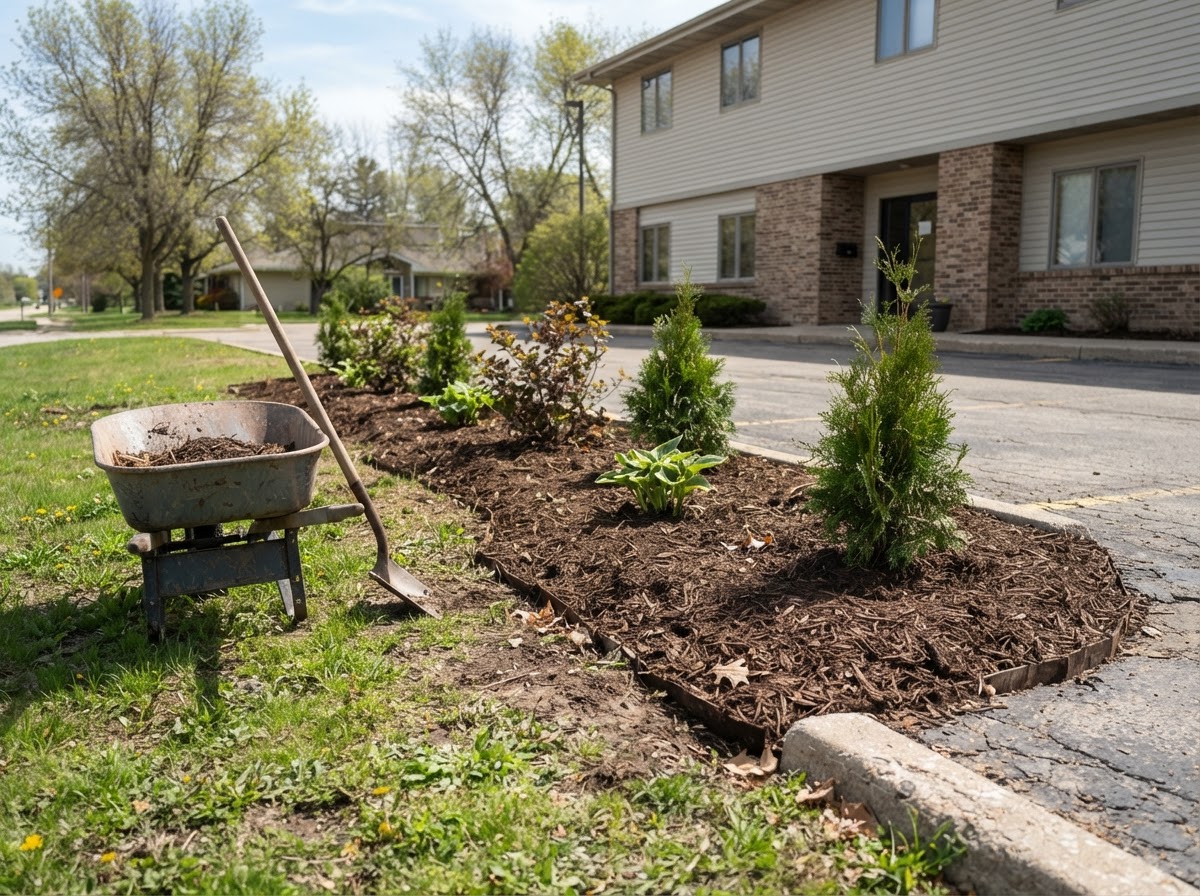
Mulch, Stone & Edging
Fresh mulch, decorative stone and crisp edging that define beds and refresh curb appeal.
Explore →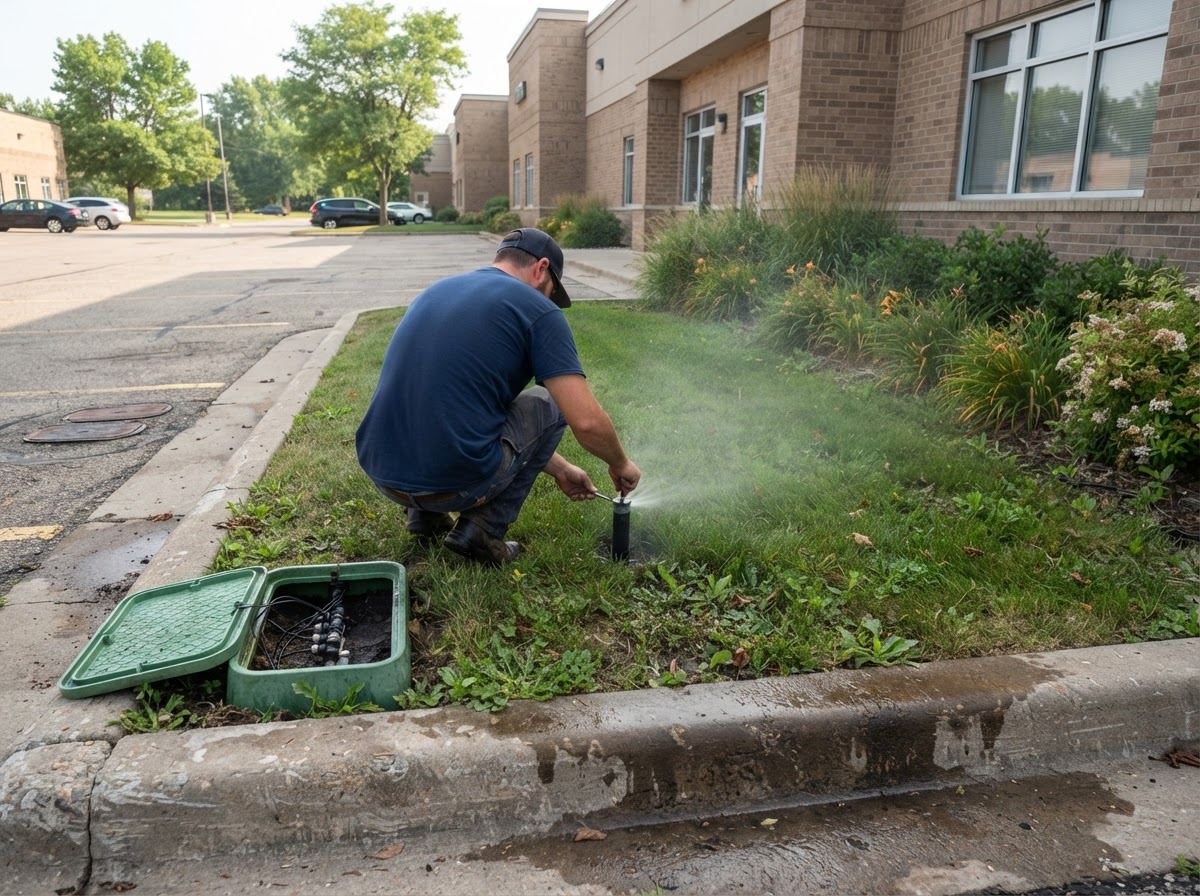
Irrigation & Winterization
Smart irrigation installed, serviced and winterized for healthy, efficient landscapes.
Explore →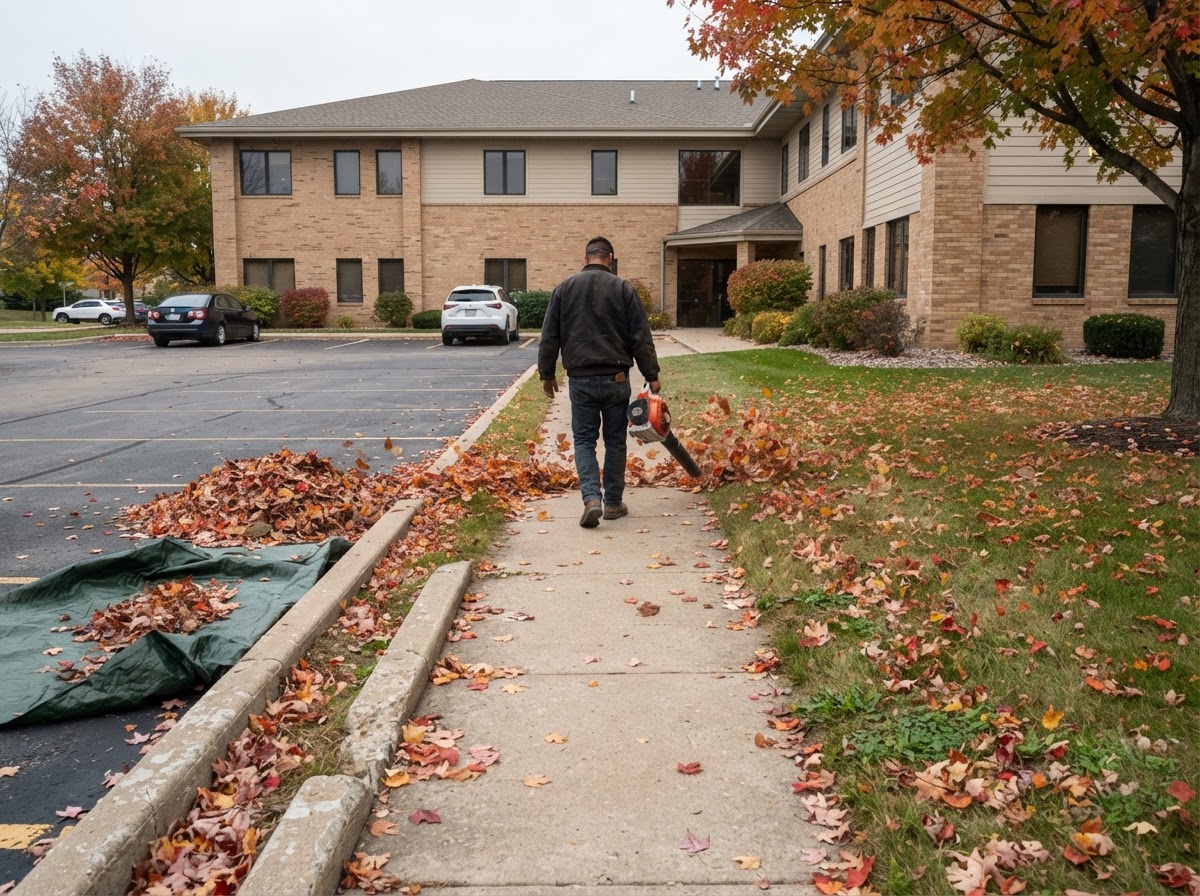
Spring & Fall Cleanups
Seasonal cleanups that reset your property after winter and prepare it for cold weather.
Explore →Let's plan your property
One conversation. A year-round plan.
Tell us about your property and we'll build a coordinated plan for snow and ice, landscaping and irrigation.