
Spring · Summer
Mulch, Stone & Edging in Fond du Lac, WI
Fresh mulch, decorative stone and crisp edging that define beds and refresh curb appeal.
Quick answer
How should commercial mulch and edging be planned in Fond du Lac, WI?
Choose bed materials and edging according to the plants, soil, drainage, nearby pavement and maintenance needs. Wisconsin Extension recommends wood mulch about 2–4 inches deep, adjusted for soil, and keeping it off tree trunks. Confirm preparation, materials, locations and cleanup in your plan.
What’s included
Mulch, Stone & Edging
Fresh mulch, decorative stone and crisp edging define your beds and refresh curb appeal for tenants, customers and visitors.
- Mulch installation in beds and tree rings
- Decorative stone installation
- Landscape edging installation
- Bed clean-up and preparation
- Material selection to suit your property
Exact scope, timing and pricing are confirmed with you in your plan.
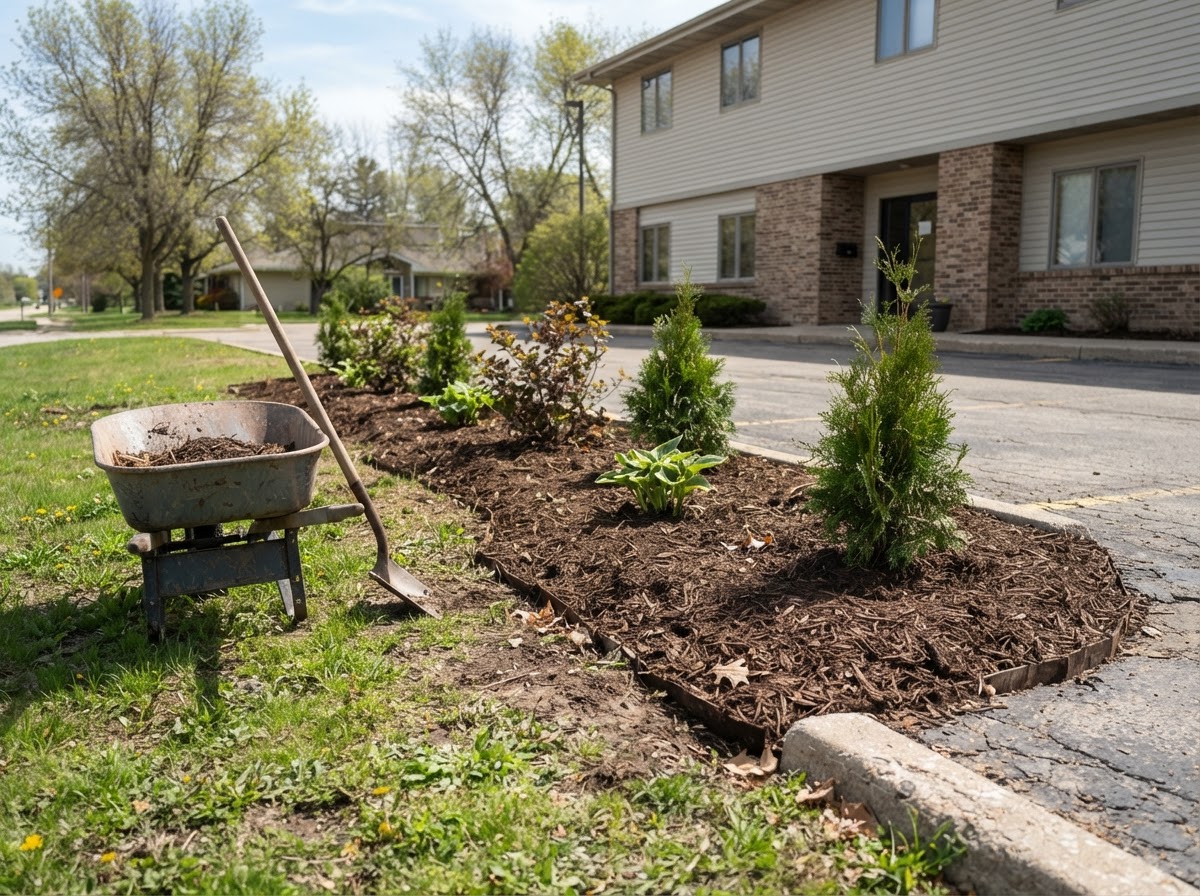
Mulch, decorative stone and edging define how a commercial planting bed meets turf, pavement and people. The material affects more than appearance: it can influence moisture, soil temperature, weeds and the future effort needed to maintain the bed. Loof's Landscaping and Snow Removal LLC helps managers compare those tradeoffs by site, then confirms included preparation, timing and pricing in the property plan.
2–4 inches
Wisconsin Extension guidance for wood mulch depth, adjusted for soil
3–6 feet or wider
Suggested diameter for a mulched tree ring
3 working days
Advance notice in Wisconsin Diggers Hotline guidance before non-emergency digging
Start with the bed's purpose and conditions
A bed beside a main entrance may need a quiet, natural finish; a narrow strip along a walk may need a crisp, maintainable edge; an established tree area needs a surface that respects the trunk and root zone. Before choosing mulch or stone, walk the bed and record what is planted, how much sun it receives, whether water pools or runs off, how close it is to pavement and where people move through the space. The purpose and conditions should lead the material choice, not the other way around.
Wisconsin Extension landscape guidance recommends noting runoff direction and low spots, moving water away from buildings and matching plants to soil conditions. Those observations matter for bed cover as well as planting: a material or edge that changes how water moves can affect nearby turf, plantings and building approaches. Ask the provider to discuss observed site conditions and confirm what is and is not included before installation.
Compare materials by what they do
Wood mulch and decorative stone are not interchangeable surface treatments. Organic mulch can reduce weeds, moderate soil temperature, retain moisture by slowing evaporation and reduce erosion or crusting by intercepting raindrops. Stone can absorb and reflect heat, retain little moisture and injure plants; Extension cautions that it is not recommended for most ornamental plantings or around trees. A stone area may suit a particular site design, but the decision should take account of plants, soil and drainage.
Use the comparison to focus a site conversation, not to prescribe one finish for every bed. A manager can ask whether a bed's existing plants are suited to the proposed surface, how the material will meet turf and walkways, and how displaced material will be handled. The plan should state the chosen material and locations so that a board or facilities team can review exactly what is being approved.
| Surface choice | Potential role | Questions before approval |
|---|---|---|
| Organic wood mulch | Weed suppression, moisture retention, moderated soil temperature and erosion reduction. | Are existing weeds removed? What depth fits the soil and existing layer? |
| Decorative stone | A mineral finish in locations where plant, soil and drainage conditions suit it. | Could heat reflection, low moisture retention or heavy/poor drainage affect the planting? |
| Mixed materials | Distinct bed zones or an accent area with a planned transition. | Where will the boundary fall, and how will material migration be addressed? |
Keep fresh mulch off the trunk
A tree ring is not a mound against bark. Extension recommends a broad ring and keeping mulch away from the trunk; confirm that the installation leaves a visible gap rather than burying the base.
Install to a measured layer and protect trunks
For wood mulch, Wisconsin Extension recommends about 2–4 inches, with thinner coverage on heavier clay soils; its more detailed landscape guidance describes about 4 inches on light, well-drained soil and about 2 inches on heavier clay. Avoid treating depth as an invitation to pile material on top of an existing layer. Excessive mulch can keep soil too wet and contribute to root problems, so ask how the installer will assess remaining cover before adding more.
At trees, Extension recommends a mulch ring 3–6 feet in diameter or larger and keeping mulch off the trunk. Mounding against bark can contribute to decay and other tree-health problems. Ask the provider to leave a clear gap at the trunk and create a broad, even ring rather than a volcano-shaped mound. For a bed with mixed plants, the final depth and placement should respect each planting and the site's soil, not simply follow a blanket application.
Prepare the bed before adding a clean finish
A fresh layer cannot reliably resolve perennial weeds already established in a bed. Wisconsin Extension explains that organic mulch limits light and slows weed-seed germination, but established perennial weeds should be removed before mulching. Clarify whether preparation includes hand or other weed removal, defining the bed, protecting plants, taking away old material or merely placing the new cover. These are scope choices to confirm; they should not be assumed from the word 'refresh.'
Extension landscape guidance also advises against plastic sheeting or landscape fabric around plants and under organic mulch, since organic mulch is better allowed to decompose into soil. If an existing bed contains fabric, ask how the condition will be handled and whether a separate decision is needed. Do not assume a new cover conceals or fixes an underlying weed, soil or drainage issue.
Choose an edge that suits the route beside it
Edging separates bed from lawn and makes a transition easier to maintain. Wisconsin Extension lists shovel-cut edges and options such as stone, wood, brick, steel and plastic. A clean line beside a retail walkway may help distinguish planting from pedestrian space; a shared office entrance may call for a restrained boundary; an apartment or HOA common area may benefit from a consistent edge across several beds. Select based on the layout and maintenance objective rather than an assumed standard product.
A shovel-cut edge is not maintenance-free: Extension notes it needs renewing about every other year. That is a general source statement, not a promised service interval or a property-specific schedule. Ask what edge type is proposed, how it meets walks and turf, and what future upkeep the choice may require. The written plan should specify where edging is installed and whether ongoing renewal is included or separately scoped.
Design around commercial property use
Different sites have different bed priorities. Retail owners may focus on entrance beds seen from parking and customer paths. Offices may prioritize the front approach and planted edges along common walks. Healthcare and industrial managers can identify routes and access that must remain usable during work. For apartment communities, HOAs and condo boards, shared beds often need a clearly documented boundary between common landscaping and areas outside the approved scope. These examples help structure the site walk; they do not imply a standard package.
Map each bed, identify retained plants and note where runoff, snow placement or foot traffic may affect it. Confirm whether the scope covers bed preparation, cover material, edging, material removal and cleanup. If a project requires digging, mark the work area and known site features before scheduling. Do not assume a provider's proposal includes every bed or future weeding unless each is stated in the plan.
Make digging and material choices reviewable
For non-emergency digging in Wisconsin, Diggers Hotline guidance says property owners and other excavators must provide at least three working days' notice; weekends and state legal holidays do not count. The guidance says to contact 811 before digging. Property managers should confirm current requirements and make sure the responsible party has completed the notice before excavation; this summary is not legal advice. The scope should also make clear who is responsible for any required notice and where digging is planned.
Ask the provider to identify the selected material, depth, bed boundaries, preparation, edge construction, cleanup and exclusions in writing. Confirm who can approve an added task if the bed condition differs from expectations. Loof's is licensed, bonded and insured in Wisconsin and a member of the Irrigation Association and SIMA. Scope, timing and pricing are confirmed in the property plan, not inferred from a general description of mulch or edging service.
Benefits of professional mulch and edging
Professional mulch and edging do more than finish a bed — they protect the plants, manage moisture and define how the landscape meets turf and pavement. Organic mulch reduces weeds, moderates soil temperature, retains moisture and reduces erosion, while a clean edge makes the transition between bed and lawn easier to maintain. For commercial properties, that means beds that look intentional and cared for rather than overgrown or unfinished.
Beyond appearance, professional service brings consistency and the right material for the site. The correct mulch depth — adjusted for soil — prevents the root problems that come from piling material too deep. A mulch ring kept off the trunk protects tree health. The right edge choice fits the route beside it and the maintenance objective. For property managers, the benefit is beds that enhance the property without creating new maintenance problems.
- Weed suppression and moisture retention — organic mulch limits light and slows evaporation.
- Protected tree health — a broad mulch ring kept off the trunk prevents decay and root problems.
- A defined, finished look — clean edges separate bed from lawn and pavement.
- Site-appropriate material — mulch depth and stone choice matched to soil, drainage and plantings.
- Easier long-term maintenance — the right edge reduces ongoing upkeep rather than adding to it.
Commercial properties we serve with mulch and edging
Different commercial properties in the Fond du Lac area have different bed priorities. Loof's serves commercial, industrial and apartment properties — we do not service single-family homes or residential driveways. Each property type has its own visibility needs, access patterns and maintenance boundaries.
- Office buildings — where entrance beds and frontage plantings set a professional tone for tenants and visitors.
- Retail centers and shopping plazas — where customer-approach beds and curb appeal directly affect foot traffic.
- Apartment and multi-family complexes — where shared beds serve residents and need board-level agreement on scope.
- Industrial and commercial facilities — where beds must look maintained without disrupting operations.
- Healthcare and school properties — where planting beds must respect access, circulation and daily operations.
- HOA and condo associations — where common-area beds need clear boundaries between shared and private landscaping.
The Loof's approach to mulch and edging
Our approach starts with the bed's purpose and conditions. We walk the site to map planted areas, pavement edges, existing plants, sun, soil and runoff, and note how water moves near buildings and walks. Wisconsin Extension recommends noting runoff direction and low spots and moving water away from buildings — observations that matter for bed cover as well as planting. We compare wood mulch and decorative stone by what they do, not by appearance alone, and recommend the material that fits the plants, soil and drainage.
Once the plan is set, we confirm material, depth, bed boundaries, preparation, edge construction, cleanup and exclusions in writing. We install to a measured layer — about 2–4 inches adjusted for soil — and protect trunks with a broad ring kept off the bark. For any digging, we confirm Wisconsin Diggers Hotline requirements and which party is responsible. Communication is consistent: you know what is included, what is excluded and who to contact. No fabricated guarantees — just a qualified assessment, a clear plan and service you can verify.
Why choose Loof's for commercial mulch and edging
Property managers in the Fond du Lac area choose Loof's because professional mulch and edging should enhance the property without creating new maintenance problems. One point of contact handles bed work alongside flower bed installation, tree and shrub care, seasonal cleanups and snow — so the bed plan works as part of one coordinated grounds plan. Priorities, material choices and edge locations are set before installation, and documented service records give you accountability to every property you manage.
Our approach is built on site-appropriate material selection, measured installation and customized plans that fit the actual bed and site. Communication is consistent — you know how to reach us and how concerns are handled. We are licensed, bonded and insured in Wisconsin and a member of the Irrigation Association and SIMA. No invented awards or fabricated statistics: just experienced crews, clear plans and service you can verify.
Commercial mulch and edging choices for Fond du Lac properties
Mulch, decorative stone and edging shape beds at office entrances, retail fronts, healthcare grounds, industrial sites, schools, apartment communities and association properties. Begin by mapping planted areas, pavement edges, existing plants, sun, soil and runoff so the finish fits the site instead of creating a new maintenance problem. In Fond du Lac and Malone, property managers can compare bed priorities and access needs. A local overview is available at commercial mulch and edging in Fond du Lac. The written scope should identify material, preparation, edging locations and cleanup; never assume every bed or recurring weeding is included.
Wisconsin Extension describes organic mulch as helping reduce weeds, moderate soil temperature, retain moisture and reduce erosion. It recommends wood mulch about 2–4 inches deep, adjusted for soil, and a broad tree ring with mulch kept off the trunk. Decorative stone has different tradeoffs, including heat reflection and lower moisture retention, so ask whether it suits the particular planting. Connect bed work with flower bed installation and maintenance, tree and shrub planting and seasonal cleanup services. Managers in Van Dyne may review landscape edging in Van Dyne as one site-specific choice. Scope, timing and pricing are confirmed in your plan.
This work fits the annual landscape plan: spring review can identify damaged edges, growing-season bed changes may call for a material discussion, and fall cleanup can prepare areas for winter. Ask whether established weeds, old cover, fabric, bed shaping or debris removal are included; fresh mulch alone does not resolve every underlying condition. For any digging, Wisconsin Diggers Hotline guidance says excavators must provide at least three working days' notice before digging; confirm current requirements and responsibility. For Oakfield and Rosendale, see commercial bed edging in Oakfield and mulch installation in Rosendale. Ask how water moves near buildings and walks, then document the approved boundaries and material choices.
Terms property managers should know
- Organic mulch
- A plant-derived bed covering, such as wood mulch, that can reduce weeds, moderate soil temperature and slow moisture loss. Its depth and placement should reflect soil conditions, existing cover and the plants in the bed.
- Mulch depth
- The thickness of mulch placed over soil. Wisconsin Extension recommends about 2–4 inches of wood mulch, with a thinner layer for heavier clay; excessive depth can keep soil too wet and contribute to root problems.
- Mulch ring
- A broad area of mulch around a tree, kept away from the trunk rather than piled against bark. Extension recommends a ring 3–6 feet in diameter or wider, with depth adapted to soil conditions.
- Decorative stone
- A mineral bed covering used for a particular landscape finish. Stone can reflect or absorb heat and retain less moisture than organic mulch, so consider planting, soil and drainage before selecting it.
- Shovel-cut edge
- A defined bed boundary cut into the soil with a shovel rather than made from a separate edging material. Wisconsin Extension notes it needs renewal about every other year; actual upkeep depends on the site and plan.
Frequently asked questions
Questions about this service
Sources: Wood mulch and tree health; Mulches for home gardens and plantings; Landscape design and installation; Options for managing yard and garden weeds; Homeowners guide
Where we provide it
Mulch, Stone & Edging across the Fond du Lac area
We serve commercial properties across Northeast Wisconsin. Choose your location to see how this service fits your property.
- Fond du Lac, WI
- North Fond du Lac, WI
- Oshkosh, WI
- Neenah, WI
- Menasha, WI
- Appleton, WI
- Greenville, WI
- Kaukauna, WI
- Kimberly, WI
- Little Chute, WI
- De Pere, WI
- Green Bay, WI
- Suamico, WI
- Sheboygan, WI
- Manitowoc, WI
Don’t see your location? Contact us — we may still serve your area.
Part of one plan
Related services
Every service fits into the same coordinated, year-round property care plan — one point of contact, one conversation, one documented service record.
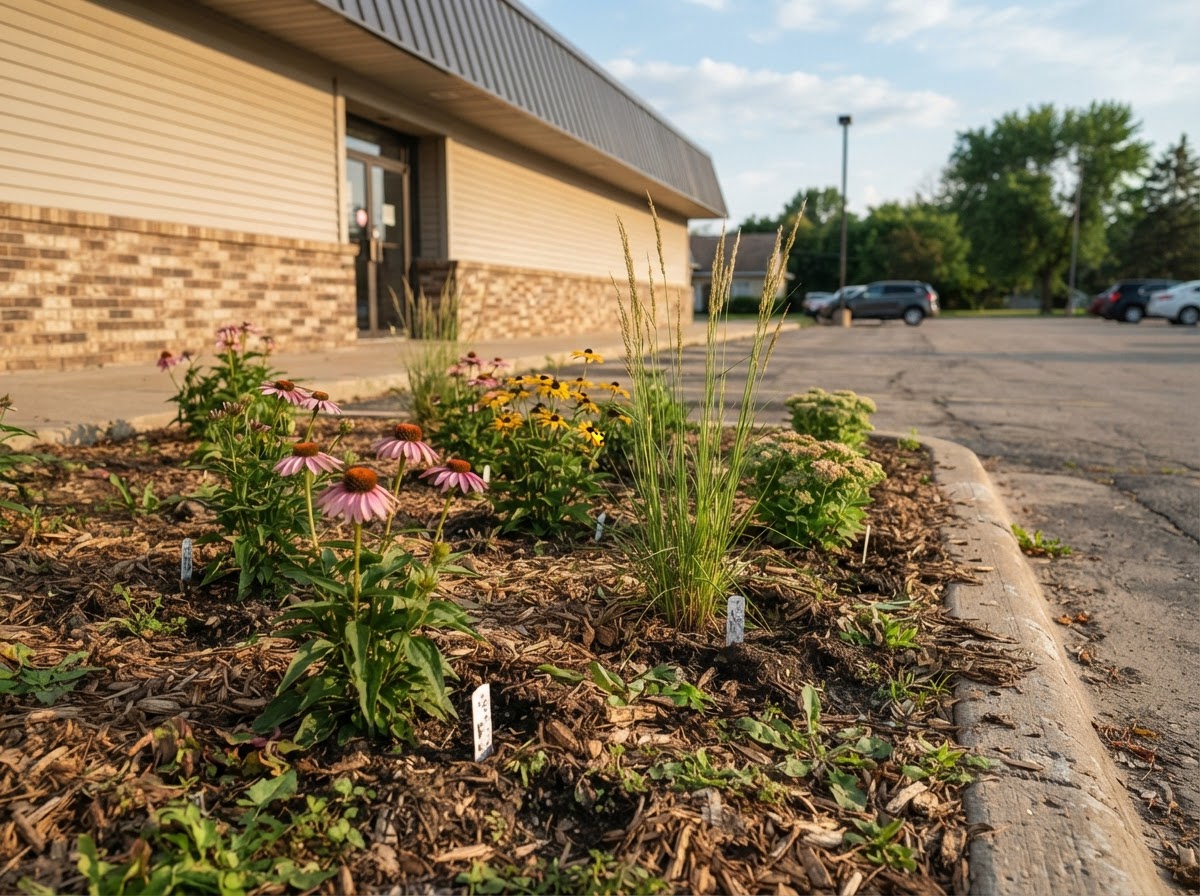
Flower Bed Installation
Seasonal color and well-kept beds that make a strong first impression.
Explore →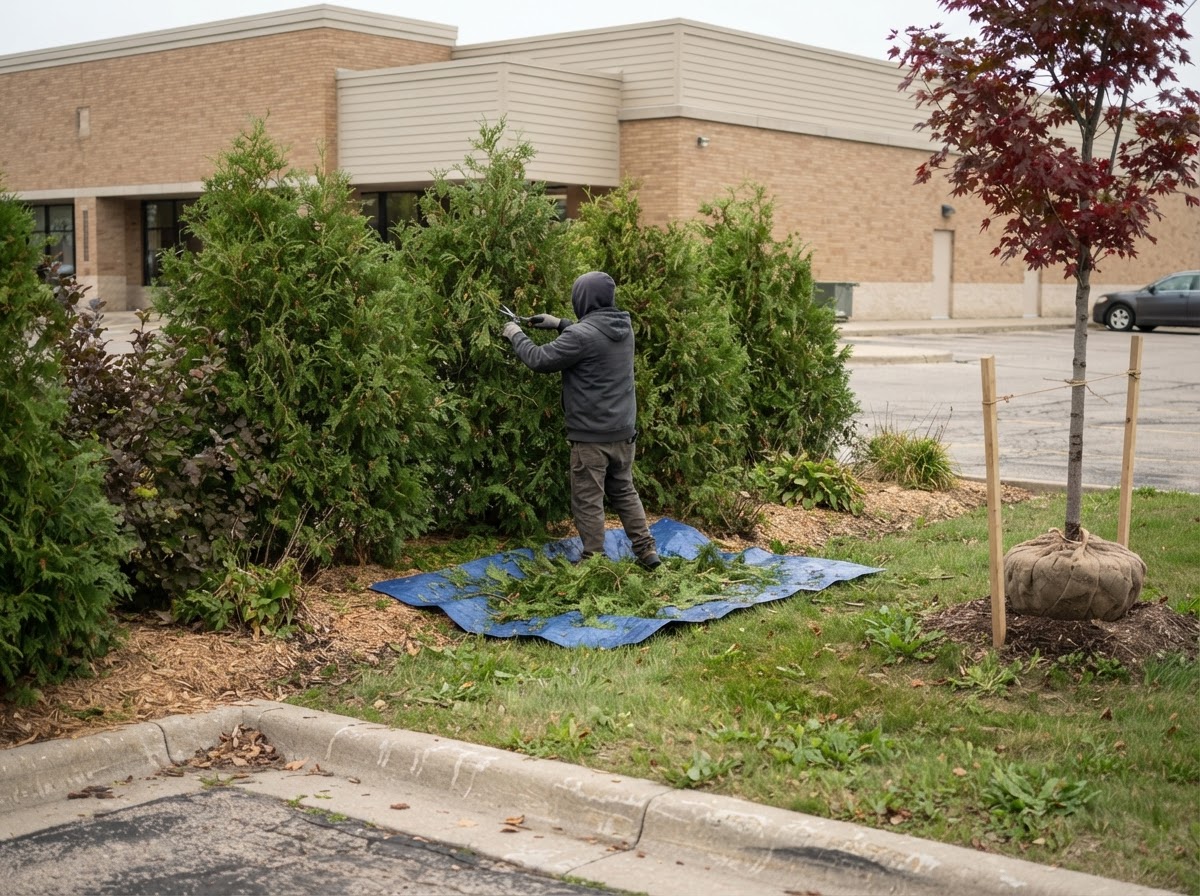
Tree & Shrub Care
Planting, trimming and pruning for healthy trees and shrubs and clear sight lines.
Explore →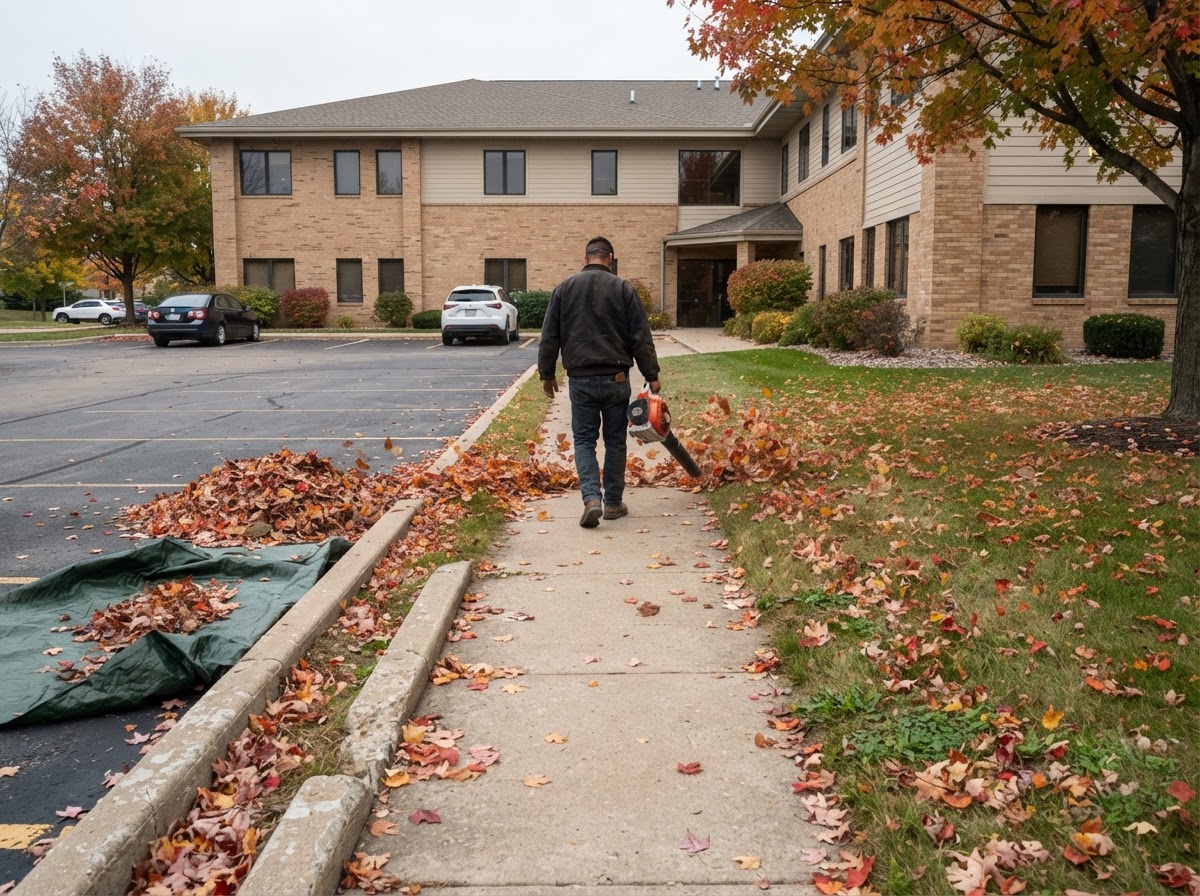
Spring & Fall Cleanups
Seasonal cleanups that reset your property after winter and prepare it for cold weather.
Explore →Let's plan your property
One conversation. A year-round plan.
Tell us about your property and we'll build a coordinated plan for snow and ice, landscaping and irrigation.