
Spring · Fall
Spring & Fall Cleanups in Fond du Lac, WI
Seasonal cleanups that reset your property after winter and prepare it for cold weather.
Quick answer
What does commercial spring and fall cleanup involve in Fond du Lac, WI?
Spring cleanup follows winter and should wait until turf and soil have thawed and dried before lawn work. Fall cleanup manages leaf cover and debris according to turf conditions; a moderate leaf layer may be shredded, while thick mats should be reduced. Confirm areas, debris handling and follow-up in your plan.
What’s included
Spring & Fall Cleanups
Spring and fall cleanups reset your property after winter and prepare it for the cold season, so your grounds look cared for year-round.
- Debris, leaf and branch removal
- Bed clean-up and cutting back
- Clearing of lawns and walkways
- Removal of collected material
- Scheduling around your operating hours
Exact scope, timing and pricing are confirmed with you in your plan.
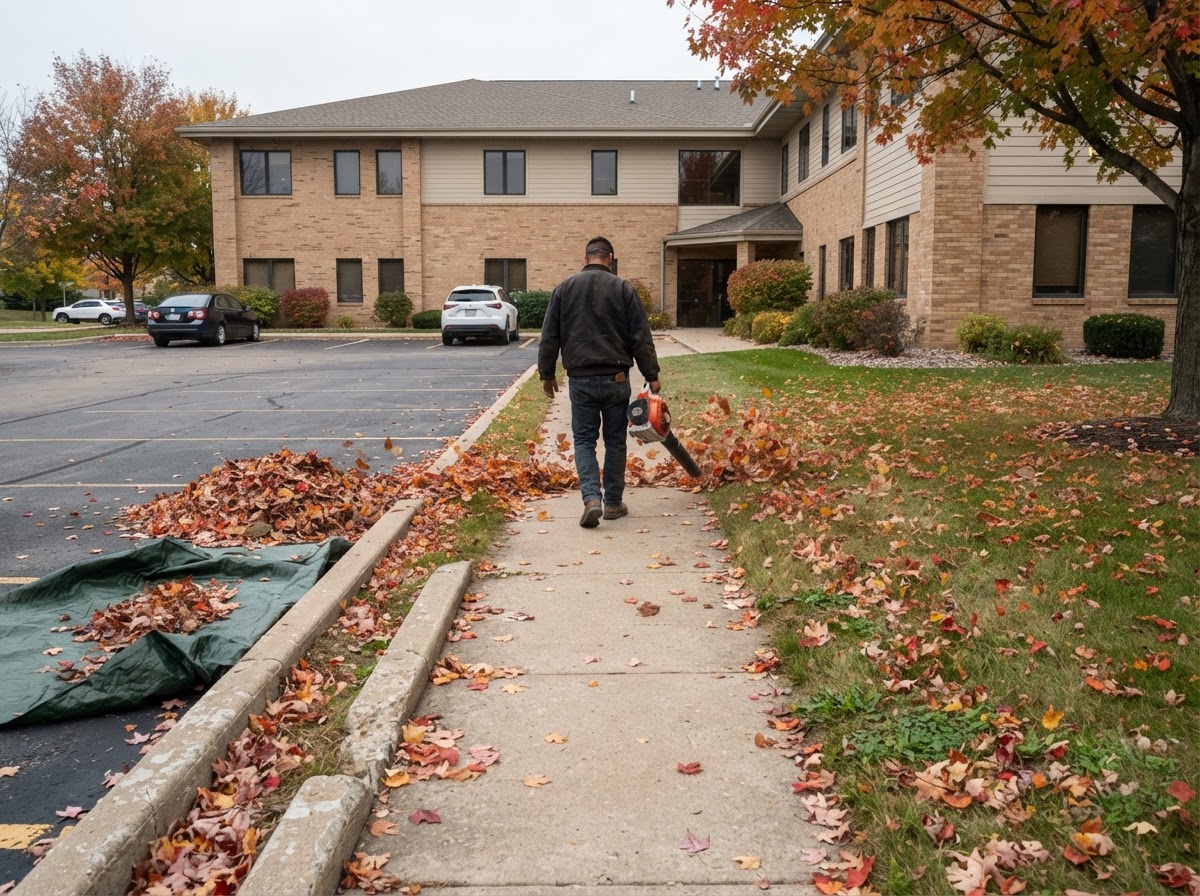
Spring and fall cleanups are not duplicate visits with different names. Spring work follows winter conditions and should wait until turf and soil are ready; fall work manages leaf cover and other agreed debris before winter. Loof's Landscaping and Snow Removal LLC helps commercial property teams prioritize lawns, beds and shared grounds without assuming every task is bundled together. The included areas, work, timing and pricing are confirmed in the property plan.
Thawed and dry
Turf and soil condition Wisconsin Extension recommends before spring lawn work
Moderate leaves
Can be shredded by mowing rather than removed wholesale
Since January 1993
Wisconsin yard-waste landfill restriction described in DNR guidance
Use spring as an assessment, not a race to start
When snow recedes, exposed turf may still be soft or wet. Wisconsin Extension recommends waiting until both turf and soil have thawed and dried before spring lawn work. That condition-based guidance matters: working too early can disturb the lawn and leave tracks where the cleanup is intended to restore order. A calendar date or the first warm afternoon does not establish that a particular property is ready.
Once conditions permit, spring cleanup can address winter debris and help the manager assess snow mold, vole trails and winter injury. Separate visible cleanup tasks from later decisions about lawn repair, pruning, bed renovation or irrigation. A site walk can mark damaged areas for review without implying that a cleanup includes every follow-up. Identify the turf, beds, paths and shared outdoor areas in scope, and note which observations need a separate approval.
Choose a fall leaf approach by coverage and condition
Leaves do not need to be removed from every lawn simply because they have fallen. Wisconsin Extension says a moderate layer can be shredded by mowing, while thick mats that obscure grass should be reduced; diseased foliage may need removal. The condition of the turf and the density of cover help determine what to do. A property with open lawns, sheltered corners and planted beds may need different handling in each place.
Leaves and debris left on turf under snow cover can promote disease or smother grass when accumulated too deeply. Fall cleanup can therefore focus on mats that hide grass and areas where debris is likely to remain on turf, rather than applying the same removal rule everywhere. Extension also advises mowing as needed until top growth stops. The objective is to leave the grounds prepared for winter while keeping the work aligned with actual site conditions and the agreed scope.
Compare the two seasonal jobs before setting priorities
A property manager can make seasonal decisions easier by defining the purpose of each cleanup separately. Spring is a review after winter; fall manages conditions before winter. Use the comparison to decide which areas need attention and what follow-up remains outside the cleanup. Actual work should follow site conditions and the services expressly included in the plan.
| Season | Primary decision | What to look for | Planning note |
|---|---|---|---|
| Spring | Is the ground ready for lawn work, and what winter effects need review? | Thawed and dry turf and soil; winter debris; snow mold, vole trails or injury. | Wait for suitable ground conditions and list damage for separate assessment. |
| Fall | Where does leaf cover need reducing before winter? | Thick mats obscuring grass; diseased foliage; debris left on turf. | Moderate leaf cover may be shredded; clarify collection and handling. |
| Either | Which areas and tasks are actually included? | Beds, turf, common spaces, walks and access needs. | Do not assume hauling, pruning, bed work or a fixed visit schedule. |
Handle debris without creating a street or runoff problem
Wisconsin DNR advises keeping leaves and yard waste out of streets and recommends composting leaves where possible or using terrace pickup. Its stormwater guidance explains that runoff can carry pollutants from hard surfaces into waterways. DNR also advises not blowing grass clippings onto streets, sidewalks or driveways and recommends mulching clippings on the lawn. These are practical considerations for a cleanup plan, but they do not establish which disposal service or collection route is available at a particular commercial property.
Wisconsin DNR's yard-care publication says state law has banned yard waste—including leaves, grass clippings, garden debris and small twigs, brush or branches—from landfills and most incinerators since January 1993, with exceptions. Do not infer the current permitted disposal method for a specific load from that summary alone. Confirm current requirements, exceptions and local handling arrangements with the relevant authority or waste provider. The service plan should clarify what debris handling is included and what arrangement the property must provide.
Keep leaves out of streets and drainage paths
Wisconsin DNR advises keeping leaves and yard waste out of streets because runoff can carry pollutants from hard surfaces to waterways. Ask your provider how debris will be collected and handled at your property.
Balance lawn cleanup with leaf habitat choices
Some grounds may have areas where leaf removal is needed for turf care and other areas where a lighter-touch approach is suitable. Wisconsin DNR's yard-care publication notes that delaying leaf removal until spring can support overwintering butterflies, moths and bumble bees. If removal is needed, the same guidance recommends keeping leaves whole rather than shredding them. That advice can inform a property conversation about selected spaces, but it does not mean every lawn or walkway should retain leaves.
For a managed site, make the choice deliberately: identify lawn sections where thick cover should be reduced, and ask whether any less-used landscape area could be handled differently. Consider how leaves affect access, visibility and the property's appearance standards. No specific pollinator habitat layout or property-wide schedule has been verified here. The manager can document the selected areas and explain the approach to a board, tenant or facilities team so the cleanup decision is understandable rather than inconsistent.
Coordinate the fall handoff with winter services
Fall cleanup can provide a useful opportunity to identify bed boundaries, turf edges and areas where loose branches or debris are present before snow operations begin. If winter service is also planned, share the site map and discuss how routes, planted areas and snow-storage locations relate to one another. This is coordination, not a claim that cleanup prevents winter damage or guarantees snow service outcomes. Confirm any separate preparation tasks in the winter plan.
Meltwater, plow routes and snow storage are property-specific topics. Note where the property manager wants landscape edges protected or where debris movement could complicate later work. Do not assume that cleanup includes snow hauling, pruning, leaf collection by a municipality or preparation of every bed. A written handoff helps distinguish the seasonal cleanup from winter operations and lets each provider work from the same current priorities.
Set the scope for the people who use the property
An office or retail manager may prioritize a visible entrance, customer approach and the areas visitors encounter first. Healthcare, industrial, school and church properties can identify access, operating hours and outdoor-use considerations. Apartment communities and HOAs may have shared lawns and beds whose priorities need board or resident coordination. These are examples for organizing the site review; no one cleanup layout or frequency applies to every property type.
For multi-building properties, mark common areas, restricted zones, high-use paths and locations where debris accumulates. Decide who can approve an added task and who should receive updates about damage or disposal. Clear boundaries are particularly useful when one team handles lawn care and another handles winter operations. The plan should state included areas and tasks, any debris collection or disposal arrangement, and exclusions such as pruning, bed cutback or hauling unless those items are explicitly agreed.
What to prepare and what to ask your provider
Before a cleanup review, gather the property map, note areas with heavy leaf accumulation, identify winter debris or turf damage and list the shared spaces that matter most. For spring, wait until the ground is thawed and dry before authorizing lawn work. For fall, distinguish thick mats on turf from moderate leaf cover and identify any locations where runoff or street cleanliness is a concern. Tell the provider about access restrictions and who can approve a scope change.
Ask which beds and turf areas are included, whether leaves are shredded, collected or removed, how branches and other debris will be handled, and what disposal arrangements apply. Ask what damage will be documented for separate review and how the cleanup coordinates with winter operations. Confirm current local waste and burning requirements if relevant; the sources reviewed do not establish Fond du Lac collection schedules or ordinances. Loof's is licensed, bonded and insured in Wisconsin and a member of SIMA and the Irrigation Association. Scope, timing and pricing are confirmed in the plan.
Benefits of professional spring and fall cleanups
Professional seasonal cleanups reset a commercial property after winter and prepare it before the next one — keeping grounds looking intentional rather than neglected. Spring cleanup removes winter debris, assesses turf for snow mold, vole trails and winter injury, and helps the property recover as conditions allow. Fall cleanup manages leaf cover and agreed debris before winter, focusing on thick mats that can smother grass rather than removing every leaf regardless of condition. For commercial properties, that means grounds that look cared for at the start and end of each season.
Beyond appearance, professional service brings condition-based timing and accountability. Spring work waits until turf and soil have thawed and dried — not a calendar date — so the cleanup restores order rather than disturbing soft ground. Fall work keeps debris out of streets and drainage paths, coordinating with mowing, bed work and winter operations so teams share current boundaries. For property managers, the benefit is seasonal transitions handled without the daily burden of coordinating them.
- Seasonal reset — grounds restored after winter and prepared before the next one.
- Condition-based timing — spring work waits for thawed, dry turf rather than a calendar date.
- Turf protection — thick leaf mats reduced before they smother grass over winter.
- Debris handled responsibly — leaves and yard waste kept out of streets and drainage paths.
- Coordinated handoff — cleanup connected to mowing, bed work and winter operations.
Commercial properties we serve with seasonal cleanups
Different commercial properties in the Fond du Lac area have different seasonal priorities. Loof's serves commercial, industrial and apartment properties — we do not service single-family homes or residential driveways. Each property type has its own access patterns, debris zones and maintenance boundaries.
- Office buildings — where visible entrances and frontage set a professional tone after winter and before it returns.
- Retail centers and shopping plazas — where customer approaches and parking-lot edges need consistent seasonal care.
- Apartment and multi-family complexes — where shared lawns and beds serve residents across multiple buildings.
- Industrial and commercial facilities — where grounds must look maintained without disrupting operations.
- Healthcare and school properties — where seasonal cleanup must respect access, circulation and daily operations.
- HOA and condo associations — where common-area cleanup needs clear boundaries and board-level agreement on scope.
The Loof's approach to spring and fall cleanups
Our approach starts with defining the purpose of each cleanup separately. Spring is a review after winter; fall manages conditions before winter. We map turf, beds, shared paths and places where debris gathers, then distinguish cleanup from separate pruning, lawn repair or hauling. Wisconsin Extension recommends waiting until turf and soil have thawed and dried before spring lawn work — guidance we follow rather than starting on a calendar date.
Once the plan is set, we confirm included areas, debris handling and follow-up. In fall, moderate leaf cover may be shredded by mowing, while thick mats that obscure grass are reduced and diseased foliage may need removal. We keep debris out of streets and drainage paths, coordinate with mowing, bed work and winter operations, and document what observations need separate approval. Communication is consistent: you know what is included, what is excluded and who to contact. No fabricated guarantees — just a qualified assessment, a clear plan and service you can verify.
Why choose Loof's for commercial seasonal cleanups
Property managers in the Fond du Lac area choose Loof's because professional seasonal cleanup should keep grounds looking maintained without adding coordination burden. One point of contact handles cleanups alongside mowing, mulch and edging, and snow — so the seasonal plan works as part of one coordinated grounds plan. Priorities, included areas and debris handling are set before the season, and documented service records give you accountability to every property you manage.
Our approach is built on condition-based timing, responsible debris handling and customized plans that fit the actual site. Communication is consistent — you know how to reach us and how concerns are handled. We are licensed, bonded and insured in Wisconsin and a member of SIMA and the Irrigation Association. No invented awards or fabricated statistics: just experienced crews, clear plans and service you can verify.
Commercial spring and fall cleanup for Fond du Lac properties
Seasonal cleanup serves different needs at office, retail, healthcare, industrial, school, apartment, HOA and condo properties. Spring follows winter conditions; fall prepares agreed areas before winter. Map turf, beds, shared paths and places where debris gathers, then distinguish cleanup from separate pruning, lawn repair or hauling. Wisconsin Extension recommends waiting until turf and soil have thawed and dried before spring lawn work. Teams in North Fond du Lac and Eldorado can use a site walk to set priorities. See commercial seasonal cleanup in North Fond du Lac for a local overview. Confirm included areas and debris handling in your plan.
In fall, moderate leaf cover may be shredded by mowing, while thick mats that obscure grass should be reduced; diseased foliage may need removal. Ask how leaves and branches will be collected or handled and whether a particular disposal arrangement is included. Keep debris out of streets and drainage paths; Wisconsin DNR notes runoff can carry pollutants from hard surfaces into waterways. Coordinate with routine mowing, bed and edging work and winter snow planning so teams share current boundaries. Managers in Eden may review fall grounds cleanup in Eden as part of their seasonal plan. No fixed collection schedule or municipal arrangement is assumed.
Spring and fall work fit a year-round grounds plan: spring observation can identify winter debris or turf concerns, and fall review can flag bed edges or access areas for winter coordination. Ask which tasks are included, what observations will be shared, whether hauling is part of the scope, and who approves added work. Wisconsin DNR's publication describes yard-waste restrictions with exceptions; confirm current rules and local arrangements rather than inferring a permitted method. Teams serving Brownsville can also consider commercial cleanup in Brownsville and seasonal property cleanup in Mount Calvary. Confirm timing, handling and pricing in your plan, without assuming a fixed visit schedule or a universal package.
Terms property managers should know
- Leaf mat
- A thick layer of leaves that covers turf rather than a moderate scattering. Wisconsin Extension recommends reducing mats that obscure grass; the appropriate approach depends on the area and the agreed cleanup scope.
- Snow mold
- A lawn condition that may be noticed after winter as snow recedes. Wisconsin Extension identifies spring review for snow mold, vole trails and winter injury as conditions permit; a cleanup observation is not a diagnosis.
- Yard waste
- Leaves, grass clippings, garden debris and small twigs or branches are examples described in Wisconsin DNR material. The publication notes state restrictions on landfill and incinerator disposal with exceptions; check current local handling requirements.
- Runoff
- Water moving across a surface, potentially carrying material from pavement toward drains or waterways. DNR advises keeping leaves and yard waste out of streets; identify drainage paths when planning cleanup and debris handling.
- Vole trail
- A visible track or area of disturbed turf that may be noticed after snow cover. Wisconsin Extension includes vole trails among conditions to assess in spring; observation alone does not establish the cause or required repair.
Frequently asked questions
Questions about this service
Sources: Fall lawn care and winter prep; Leave the leaves: To rake or not to rake; Wisconsin lawn care calendar; Yard care; Stormwater pollution prevention
Where we provide it
Spring & Fall Cleanups across the Fond du Lac area
We serve commercial properties across Northeast Wisconsin. Choose your location to see how this service fits your property.
- Fond du Lac, WI
- North Fond du Lac, WI
- Oshkosh, WI
- Neenah, WI
- Menasha, WI
- Appleton, WI
- Greenville, WI
- Kaukauna, WI
- Kimberly, WI
- Little Chute, WI
- De Pere, WI
- Green Bay, WI
- Suamico, WI
- Sheboygan, WI
- Manitowoc, WI
Don’t see your location? Contact us — we may still serve your area.
Part of one plan
Related services
Every service fits into the same coordinated, year-round property care plan — one point of contact, one conversation, one documented service record.
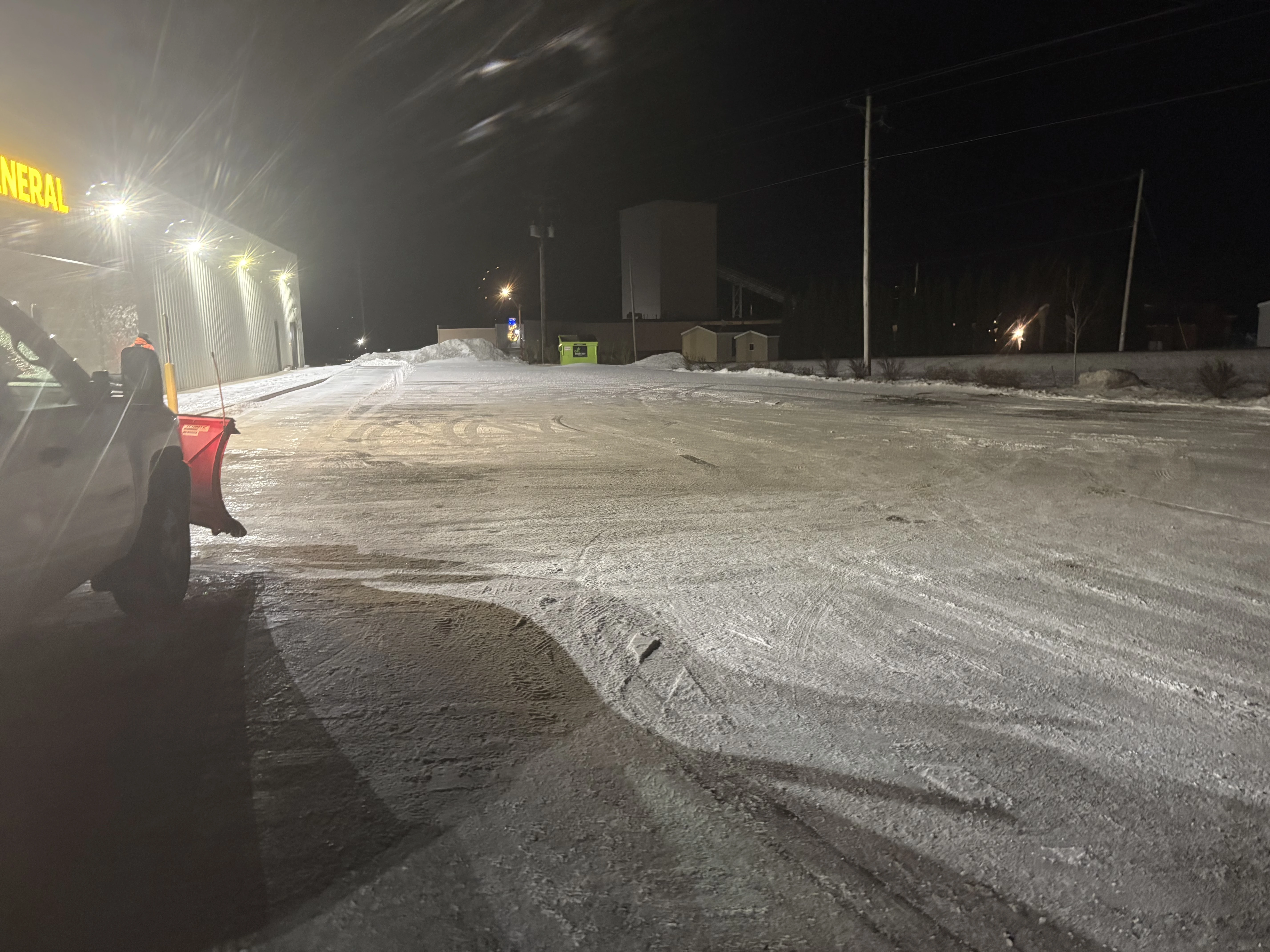
Snow & Ice Management
Plowing, sidewalks and ice treatment, planned before the storm.
Explore →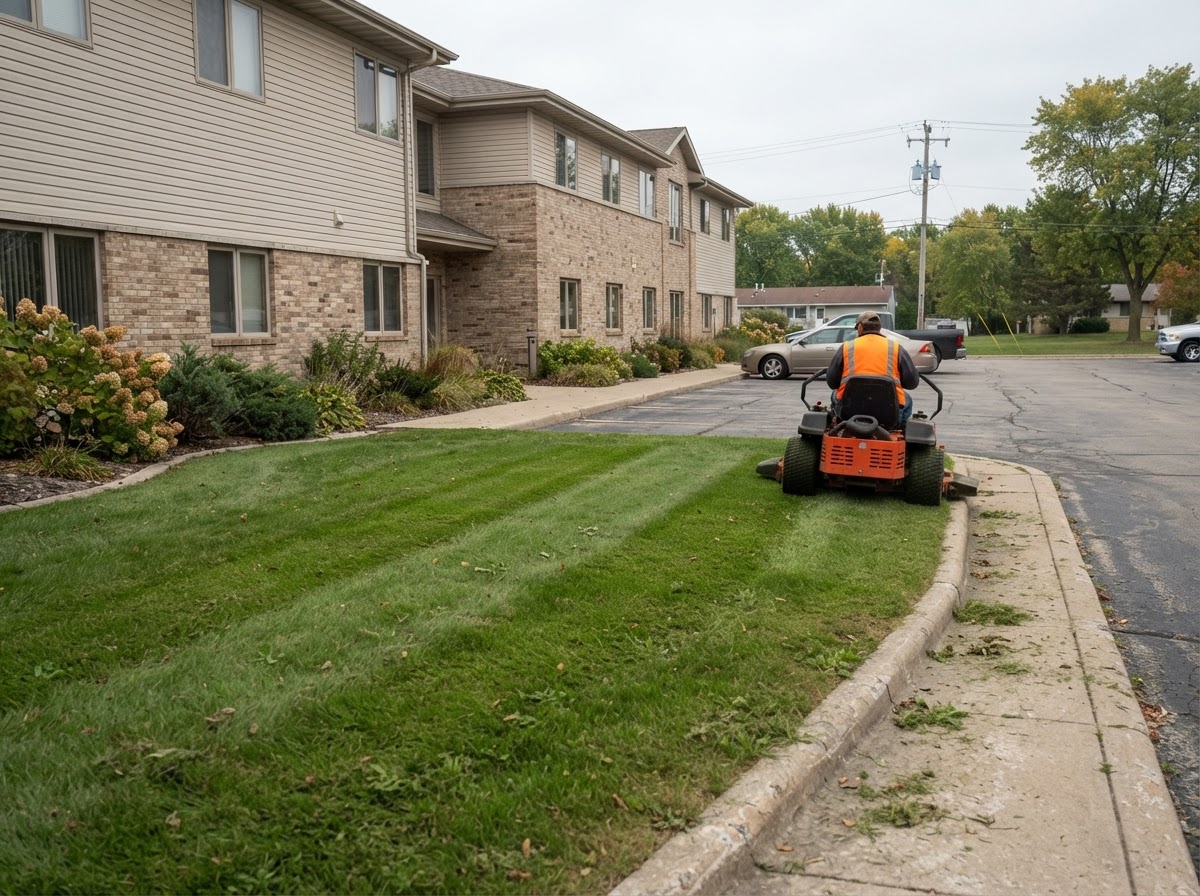
Lawn Mowing & Maintenance
Consistent mowing, trimming and upkeep that keeps grounds clean and professional.
Explore →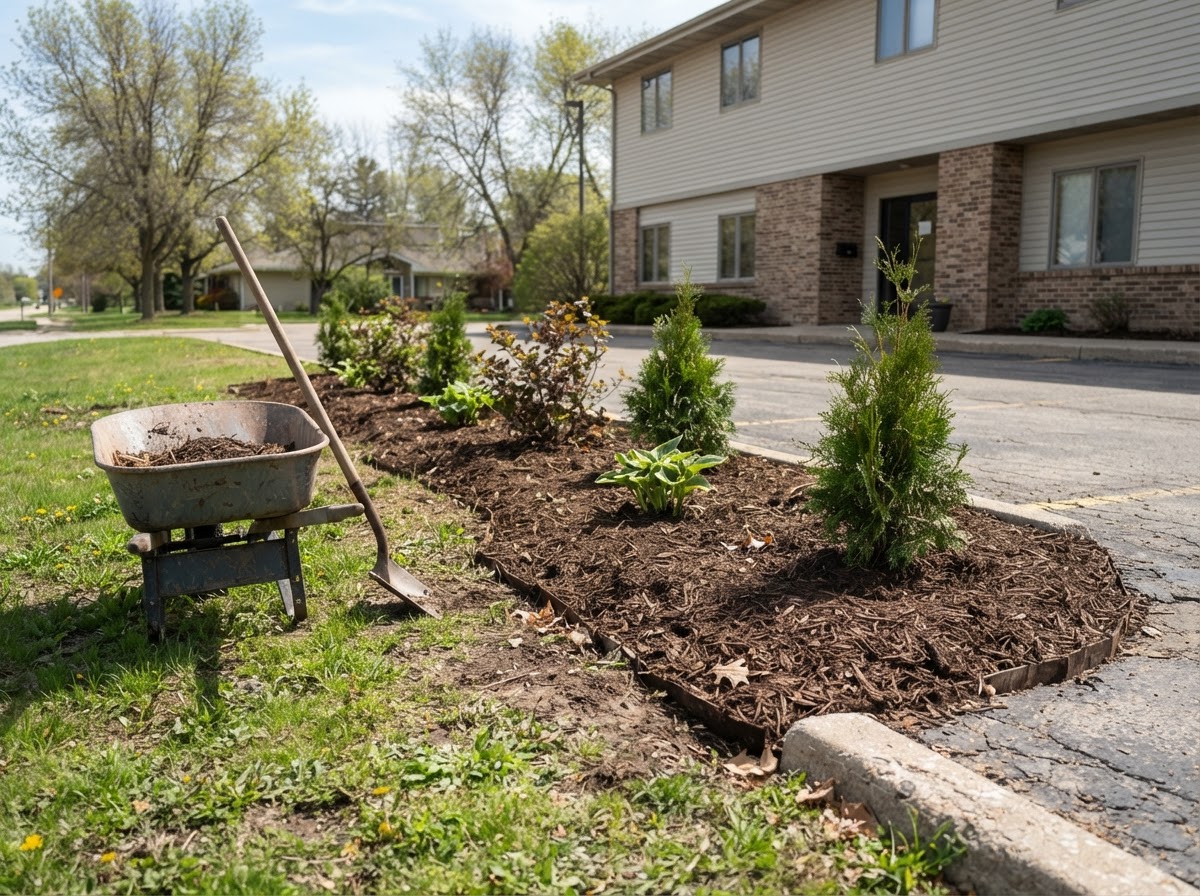
Mulch, Stone & Edging
Fresh mulch, decorative stone and crisp edging that define beds and refresh curb appeal.
Explore →Let's plan your property
One conversation. A year-round plan.
Tell us about your property and we'll build a coordinated plan for snow and ice, landscaping and irrigation.