
Spring · Summer · Fall
Irrigation & Winterization in Fond du Lac, WI
Smart irrigation installed, serviced and winterized for healthy, efficient landscapes.
Quick answer
How should commercial irrigation service be planned in Fond du Lac, WI?
Plan commercial irrigation around the property's turf, beds, soil, drainage and installed equipment. Review controller schedules as weather changes, record leaks or overspray, and confirm system-specific cold-season preparation and any local backflow requirements. Installation, repairs, timing and pricing depend on the site and are confirmed in your plan.
What’s included
Irrigation & Winterization
Smart irrigation keeps commercial lawns and planting beds healthy without wasting water. We install new systems, service existing ones and winterize them before freezing weather arrives.
- New irrigation system design and installation
- Sprinkler head, valve and zone service and repair
- Seasonal start-up and system checks
- Controller programming, including weather-sensing controls
- Fall winterization to protect the system through Wisconsin winters
Exact scope, timing and pricing are confirmed with you in your plan.
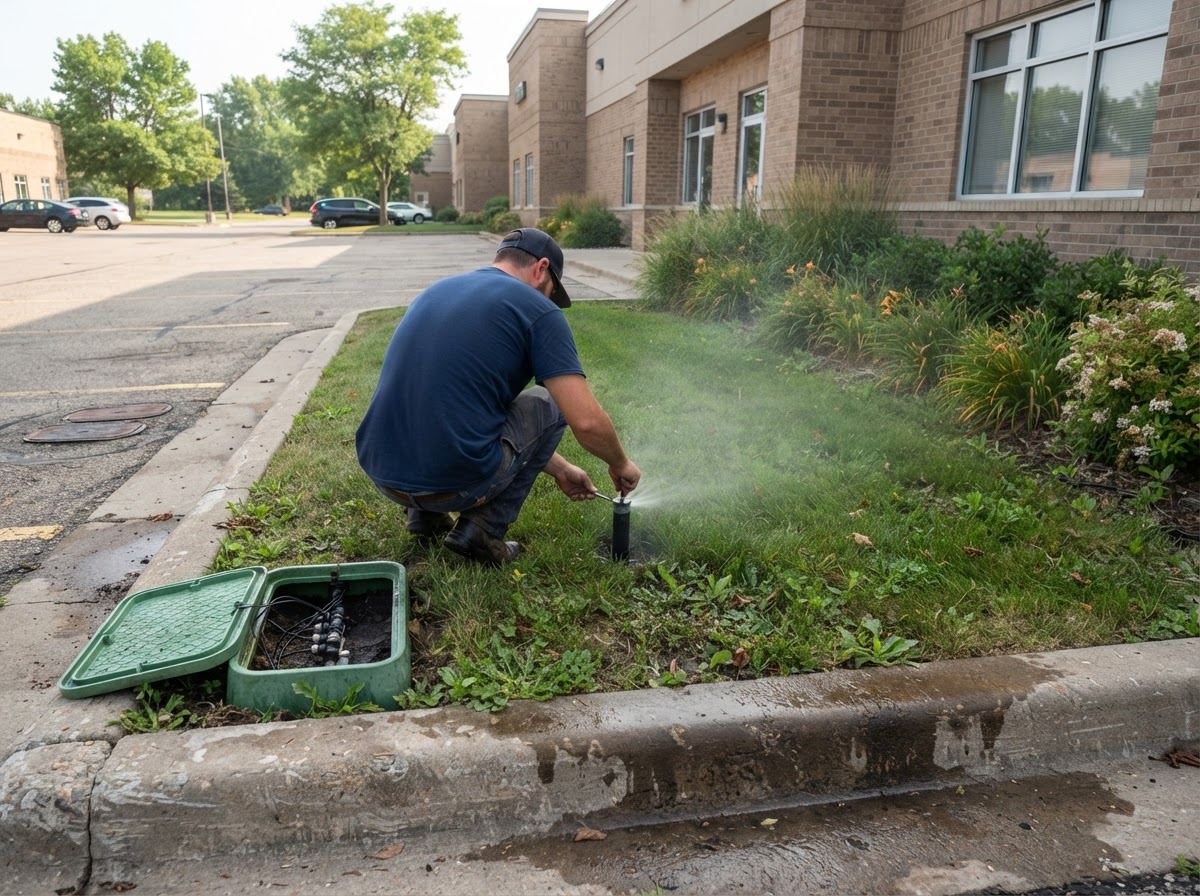
Commercial irrigation needs to fit the grounds it serves and remain understandable to the team responsible for it. A system may include turf, beds and recently planted areas, each with different exposure and watering needs. Loof's Landscaping and Snow Removal LLC helps property managers define installation, seasonal operation, troubleshooting and cold-season preparation as connected decisions; the scope, timing and pricing are confirmed in the plan. No universal Fond du Lac start-up date or winterization procedure is assumed.
Weather-based
Controller type that adjusts schedules using local weather and landscape conditions
Soil-responsive
Controller type that responds to soil moisture
Three working days
Wisconsin Diggers Hotline notice guidance before excavation
Begin with a map of the landscape and its users
A useful irrigation plan starts with the property, not a controller or a list of parts. Map the turf, planting beds, trees or recently installed landscape that may need water, and note sun, shade, slope, soil, pavement edges and drainage. Consider how people use each area: an office entrance, retail frontage, healthcare grounds, industrial site or shared apartment courtyard may have different access and appearance priorities. The map helps distinguish the places a system should serve from those outside the proposed scope.
Review existing irrigation before deciding whether to install, adjust or repair. Record known zones, controller location if known, visible leaks or overspray, access constraints and areas that appear persistently wet or dry. A visible symptom does not identify its cause. Define which areas need assessment and what decisions require approval so the property team can compare a proposed change with the landscape it is meant to support.
Plan installation around excavation and coordination
For new installation or changes that disturb soil, identify work areas and coordinate with the property team before digging. Wisconsin Diggers Hotline guidance says excavators must provide at least three working days' notice before digging; it describes soil disturbance as covered excavation and points to Wisconsin Statute 182.0175. This is general process information, not legal advice. Property managers and excavators should confirm current requirements and responsibilities before work begins.
Ask the provider to identify the proposed installation limits, access needs and how the work will be coordinated with other site activity. If an existing landscape project or utility work overlaps, establish a clear handoff and confirm which party handles each authorization or notice. This page does not specify installation methods, product brands, project timelines or utility-marking obligations beyond the cited guide; verify current rules and the site-specific plan rather than inferring them.
Choose control logic that reflects actual conditions
A timer setting is not automatically a good watering schedule throughout the year. EPA WaterSense recognizes weather-based controllers that adjust schedules using local weather and landscape conditions, and soil-moisture-based controllers that respond to soil conditions. These are different approaches to scheduling; suitability depends on the existing system and the property. Ask what information a controller uses and how the manager or maintenance team will understand the resulting schedule.
EPA guidance recommends adjusting irrigation schedules seasonally to account for rainfall and temperature. Continuing a summer schedule into cool, rainy fall conditions risks overwatering. Guidance also encourages checking for leaks and overspray and considering options such as rainfall sensors or high-efficiency nozzles. These are review topics, not promises of water savings. EPA controller savings estimates are national estimates and are not a verified result for this Wisconsin property, so no percentage reduction is represented here.
Move through the seasonal cycle with a clear handoff
The annual service conversation can be organized into four stages: spring readiness, active-season observation, seasonal schedule adjustment and cold-season preparation. In spring, review system condition, intended zones and issues noted previously. During active operation, note persistent wet or dry areas, leaks and overspray. As rainfall and temperature change, revisit the schedule rather than assuming a summer setting remains appropriate. Record which person is responsible for raising an observation and who can approve a change.
Cold-season preparation must follow the requirements of the installed equipment and relevant backflow guidance. The research did not verify a Wisconsin-specific blowout date, compressor procedure, freeze threshold or municipal recommendation. Nor was a Fond du Lac-specific current water restriction or responsible backflow tester/reporting rule confirmed. Avoid a generic calendar deadline or procedure: obtain the equipment information, confirm applicable utility requirements and state the agreed work in the property plan.
Treat cold-season preparation as system-specific
No verified Wisconsin-wide blowout date, freeze threshold or compressor procedure applies to every installation. Gather the installed system's instructions and confirm applicable backflow guidance before approving winter work.
Check performance by observing symptoms, not guessing causes
A patch of standing water, a dry strip, spray onto a walk or a zone that seems to run unexpectedly is useful information, but not a diagnosis. Note where and when it occurs, whether the system was operating and which zone may be involved if known. The provider can assess whether the concern relates to leakage, overspray, schedule settings, distribution or another site condition. Managers should ask what was observed and what work is recommended before authorizing a repair or adjustment.
An audit is a separate, more structured option to discuss. EPA WaterSense at Work commercial best-management practices recommends a full irrigation-system audit every three years by a qualified auditor and after significant system or landscape changes. This is guidance, not proof that a specific property has an audit requirement or that a particular audit is included. Ask what qualifications, measurements and written findings are part of any proposed audit, and confirm whether the recommendation applies to the property's system.
Keep backflow and local rules in the right lane
Backflow prevention involves site-specific equipment and utility procedures. Wisconsin DSPS identifies Cross Connection Control Assembly Tester as a credentialed profession, while local utility procedures determine reporting and acceptance details. The source material did not establish the exact current tester or reporting rule for Fond du Lac. Ask the water utility or qualified professional which assembly is present, whether testing applies and how current documentation should be handled; do not treat a city-specific example as a statewide rule.
A Madison Water Utility page describes annual testing for its program, but that is Madison guidance, not verified as a uniform requirement for every Wisconsin utility. Similarly, watering restrictions in other municipalities do not establish rules for Fond du Lac. Property managers should confirm current local requirements with the relevant utility. This distinction prevents a useful example from being misrepresented as a rule for a different location, and keeps the service scope separate from regulatory determinations.
Make the plan property-specific
Office and retail managers may want to distinguish prominent entrances and visitor-facing beds from less visible grounds. Healthcare and industrial sites can identify operational access and sensitive areas; apartment communities, HOAs and condo boards may need a clear map of shared spaces and responsibility boundaries. For schools and churches, note when access or outdoor activity affects work coordination. These are prompts for site review, not assertions about standard layouts or required service frequency.
For each zone, identify the intended landscape, known constraints, who controls access and who will communicate a concern. If the property changes planting, pavement or use, revisit whether the irrigation layout still matches the site. Confirm what installation, service, winter preparation and follow-up are included, and what requires separate approval. No specific product, performance result, visit frequency, date or price is promised; the agreed plan sets the actual scope and timing.
What to prepare and what to ask your provider
Before a review, gather any available system plan, controller information, prior service notes, known leak or overspray locations, planting plans, utility contact information and access instructions. Mark wet and dry areas rather than describing the whole site as one problem. Note recent landscape changes and which areas are most important to maintain. If documents are missing, say so and ask what information is needed to assess the existing equipment safely and appropriately.
Ask which zones will be reviewed, what findings support a recommended adjustment or repair, whether the cold-season procedure follows this system's instructions, and whether backflow testing or utility reporting applies locally. For installation, ask how excavation notice requirements will be confirmed and who is responsible for the process. Ask what records you will receive and how scope changes are approved. Loof's is licensed, bonded and insured in Wisconsin and a member of the Irrigation Association and SIMA; scope, timing and pricing are confirmed in your plan.
Benefits of professional irrigation service
Professional irrigation service protects both the landscape and the budget. A well-designed, properly maintained system delivers water where turf and plantings need it — and only where they need it — reducing waste and lowering water costs. Efficient watering supports healthier, more attractive grounds that make a stronger impression on tenants, customers and visitors. For commercial properties, that matters: a property that looks cared-for signals professionalism before anyone steps inside.
Beyond appearance, professional service helps prevent the problems that create expensive surprises. Leaks go unreported, heads misalign, and zones run too long or too short until turf develops dry patches or beds drown. Scheduled service catches those issues early. Proper winterization protects the system through Wisconsin's freezing temperatures so you are not facing cracked lines and costly repairs in spring. For property managers, the benefit is fewer emergencies and a system that works the way it was designed to.
- Healthier, more attractive turf and plantings — water delivered efficiently and at the right time.
- Lower water costs — efficient schedules reduce waste without stressing the landscape.
- Fewer emergency repairs — leaks, overspray and zone issues caught during scheduled service.
- Winter damage prevention — proper winterization protects the system through freezing temperatures.
- One coordinated plan — irrigation connected to mowing, aeration and bed care rather than operating alone.
Commercial properties we serve with irrigation service
Different commercial properties in the Fond du Lac area have different irrigation needs. Loof's serves commercial, industrial and apartment properties — we do not service single-family homes or residential driveways. Each property type has its own watering demands, zone layouts and access considerations.
- Office buildings — where entry plantings and frontage turf shape the first impression for tenants and visitors.
- Retail centers and shopping plazas — where landscape beds and customer approaches need consistent watering without disrupting business.
- Apartment and multi-family complexes — where shared lawns and entry plantings serve residents across multiple buildings.
- Industrial and commercial facilities — where irrigation must work around operating hours, deliveries and site access.
- Healthcare and school properties — where grounds must look maintained without interrupting patient, student or visitor access.
- HOA and condo associations — where common-area irrigation needs clear boundaries and board-level agreement on scope.
The Loof's approach to irrigation service
Our approach starts with understanding the property. We walk the site to map turf, beds, trees, pavement and drainage, noting wet and dry spots without treating them as a diagnosis. We review existing controller schedules, check system coverage and discuss the property's operating hours and access requirements. From there, we develop a service plan that identifies which zones are included, what adjustments or repairs are recommended, and how the seasonal schedule connects to the rest of the grounds plan.
Through the season, we adjust schedules as weather changes, respond to reported leaks or overspray, and coordinate with mowing, aeration and bed work so the irrigation plan stays aligned with the rest of the property. In fall, we address cold-season preparation — confirming what the installed equipment requires, checking whether local utility procedures call for backflow testing or reporting, and documenting what was done. Communication is consistent: you know who to contact and how concerns are handled. No fabricated guarantees — just a qualified review, a clear plan and service you can verify.
Why choose Loof's for commercial irrigation
Property managers in the Fond du Lac area choose Loof's because professional irrigation service should simplify property care, not complicate it. One point of contact handles irrigation alongside mowing, aeration, bed work and snow — so the irrigation schedule is not operating in isolation but connected to the rest of the grounds plan. Priorities, zone scope and seasonal timing are set before the season starts, and documented service records give you accountability to every property you manage.
Our approach is built on reliable service coordination, attention to landscape health and water efficiency, and customized plans that fit the actual system and site. Communication is consistent — you know how to reach us and how concerns are handled. We are licensed, bonded and insured in Wisconsin and a member of the Irrigation Association and SIMA. No invented awards or fabricated statistics: just experienced crews, clear plans and service you can verify.
Commercial irrigation planning for Fond du Lac properties
Map turf, beds, trees, pavement and drainage before planning commercial irrigation. Office, healthcare, retail and industrial grounds may prioritize distinct entrances; apartment communities, HOAs, schools and churches may need clear boundaries for shared areas. Note wet or dry spots without treating them as a diagnosis. Property teams in North Fond du Lac and Eldorado can use those observations to frame a system review. A location-specific overview is available at commercial irrigation service in North Fond du Lac. Confirm which zones and equipment are included before deciding whether installation, adjustment or repair is appropriate.
The annual conversation connects spring readiness, active-season observation, schedule adjustments and cold-season preparation. EPA guidance recognizes weather-based controllers that adjust schedules using local weather and landscape conditions, and soil-moisture controllers that respond to soil conditions; suitability depends on the system and property. Ask how the schedule is reviewed, who reports leaks or overspray, and what handoff is required after landscape changes. Related work such as flower-bed installation and care, ongoing lawn maintenance and seasonal cleanups can be coordinated without assuming bundled services. Managers in Eden can review irrigation planning in Eden as a site-specific conversation. Scope, timing and pricing remain confirmed in your plan.
Installation that disturbs soil calls for excavation coordination. Wisconsin Diggers Hotline guidance says excavators must provide at least three working days' notice before digging; confirm current requirements and responsibilities for the specific project. For seasonal service, ask what instructions apply to the installed equipment, whether local utility procedures require backflow testing or reporting, and what records will be provided. No Wisconsin-wide winterization date or universal blowout procedure was verified, so avoid assuming one. A provider discussion for Brownsville may also use commercial irrigation support in Brownsville and irrigation system planning in Mount Calvary. The tree and shrub planting plan can help flag new landscape areas, while the property plan specifies actual work and timing.
Terms property managers should know
- Weather-based controller
- An irrigation controller that adjusts its schedule using local weather and landscape conditions. It differs from a fixed clock schedule; whether it suits an existing commercial system depends on the equipment and the property's needs.
- Soil-moisture controller
- A controller that uses soil-moisture information to guide irrigation scheduling. It responds to conditions in the soil rather than relying only on a preset timer, but its suitability depends on the system and site.
- Backflow prevention assembly
- Equipment intended to help prevent water from flowing backward into a supply. Testing and reporting procedures can depend on the assembly and local utility, so confirm current requirements rather than assuming a statewide process.
- Overspray
- Irrigation water that lands outside the intended planting or turf area, such as on pavement or a building. Record where and when it occurs so a qualified review can assess possible causes and next steps.
- Irrigation zone
- A portion of a watering system controlled or operated as a group. Mapping zones helps property managers connect a wet or dry area to the relevant system information without assuming the cause of the symptom.
Frequently asked questions
Questions about this service
Sources: WaterSense labeled controllers; Water-smart landscapes; Irrigation professionals; WaterSense at Work: Irrigation system audits; Cross Connection Control Assembly Tester; Excavators guide; Madison Water Utility cross-connection control program
Where we provide it
Irrigation & Winterization across the Fond du Lac area
We serve commercial properties across Northeast Wisconsin. Choose your location to see how this service fits your property.
- Fond du Lac, WI
- North Fond du Lac, WI
- Oshkosh, WI
- Neenah, WI
- Menasha, WI
- Appleton, WI
- Greenville, WI
- Kaukauna, WI
- Kimberly, WI
- Little Chute, WI
- De Pere, WI
- Green Bay, WI
- Suamico, WI
- Sheboygan, WI
- Manitowoc, WI
Don’t see your location? Contact us — we may still serve your area.
Part of one plan
Related services
Every service fits into the same coordinated, year-round property care plan — one point of contact, one conversation, one documented service record.
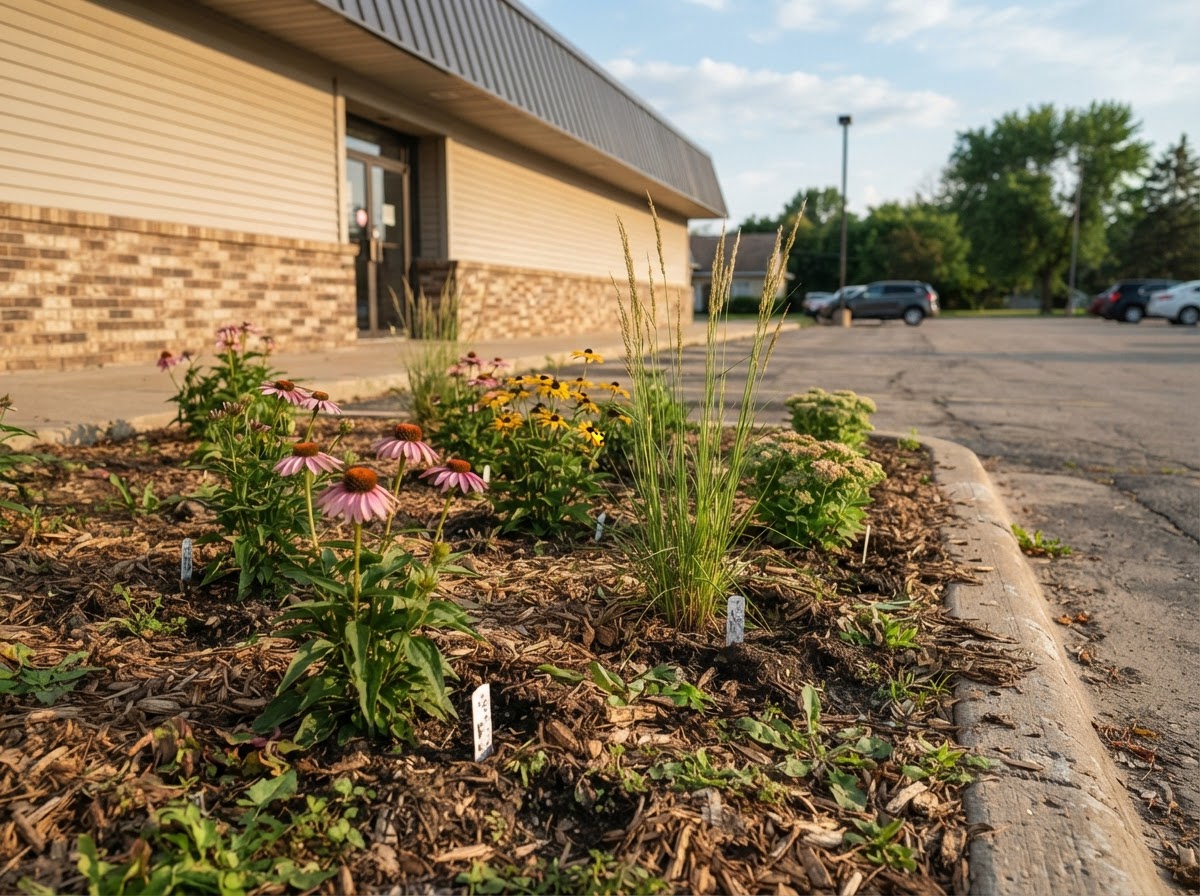
Flower Bed Installation
Seasonal color and well-kept beds that make a strong first impression.
Explore →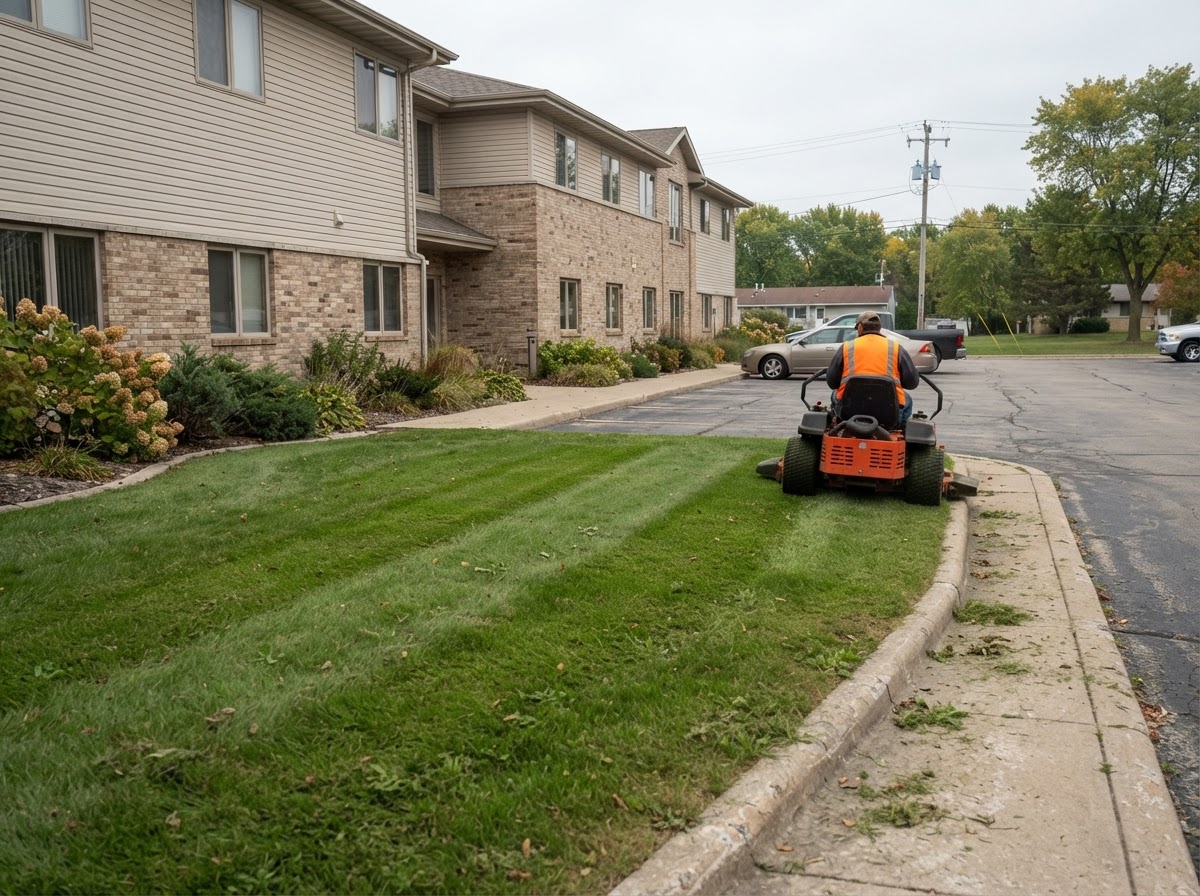
Lawn Mowing & Maintenance
Consistent mowing, trimming and upkeep that keeps grounds clean and professional.
Explore →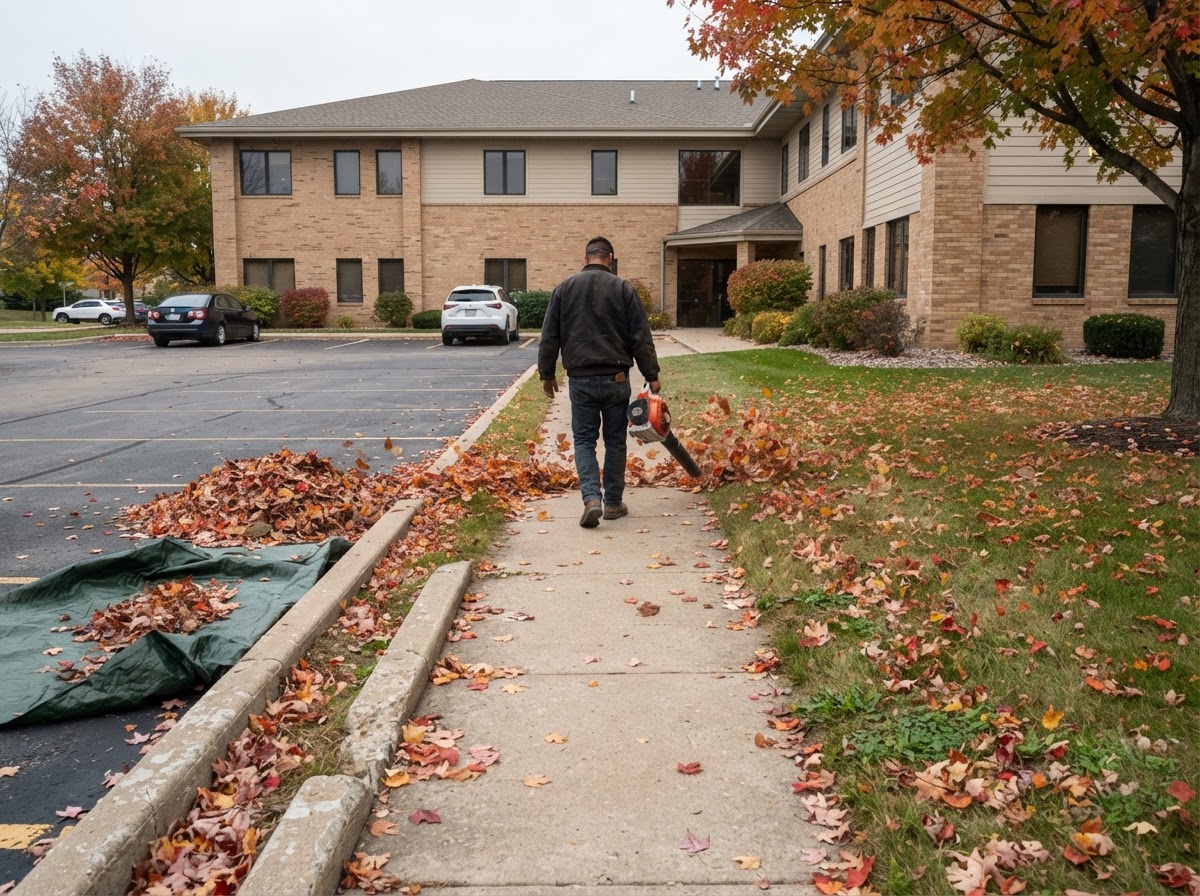
Spring & Fall Cleanups
Seasonal cleanups that reset your property after winter and prepare it for cold weather.
Explore →Let's plan your property
One conversation. A year-round plan.
Tell us about your property and we'll build a coordinated plan for snow and ice, landscaping and irrigation.